
- This topic is empty.
-
AuthorPosts
-
2026-03-27 at 3:54 pm #6789
As sustainability becomes a central concern in the textile industry, both manufacturers and consumers are re-evaluating the materials they use. Synthetic fabrics, while widely available, often come with environmental drawbacks such as non-biodegradability and resource-intensive production. In contrast, natural fibers like wool offer a more sustainable and practical alternative.
What Makes Wool a Sustainable Fiber?
Wool is a natural fiber derived from sheep, making it a renewable resource. Sheep grow new fleece every year, which can be harvested without harming the animal. This regenerative cycle makes wool fundamentally different from petroleum-based synthetic fibers.
Renewable and Biodegradable
Unlike synthetic materials, wool decomposes naturally in soil, returning valuable nutrients such as nitrogen back into the environment. This reduces long-term waste and supports a circular approach to textile production.
Lower Environmental Impact
Wool production generally requires fewer chemical treatments compared to synthetic fabrics. Additionally, wool products often have longer lifespans, reducing the need for frequent replacement.
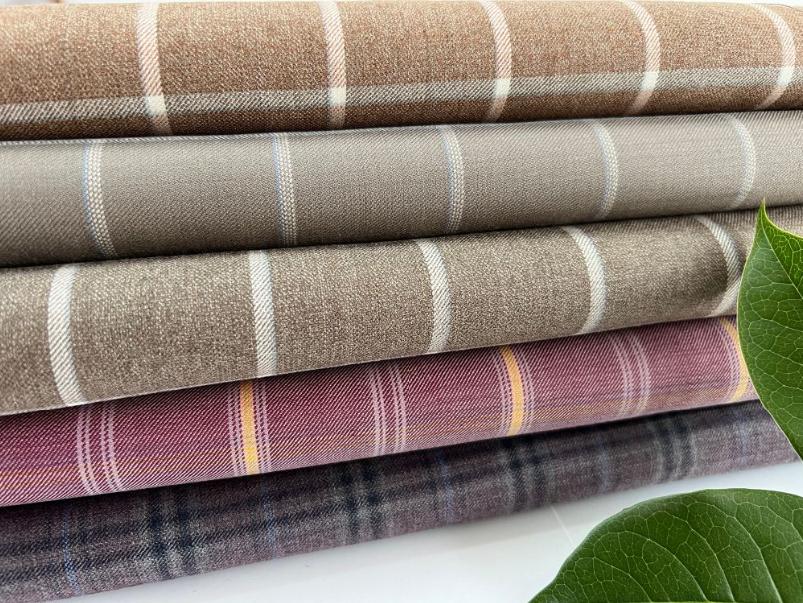
Key Benefits of 100% Wool Fabric
1. Natural Temperature Regulation
One of wool’s most valued properties is its ability to regulate temperature. Wool fibers trap air, creating insulation that keeps you warm in cold conditions while remaining breathable in warmer environments.
This makes wool suitable for:
Winter clothing
Transitional weather garments
Indoor and outdoor textiles
2. Moisture Management
Wool can absorb a significant amount of moisture without feeling wet. It wicks moisture away from the skin, helping maintain comfort throughout the day.
In practical use:
It keeps the body dry during physical activity
It reduces discomfort in humid conditions
It helps prevent the buildup of sweat-related odors
3. Durability and Longevity
High-quality wool fabric is known for its strength and resilience. The natural elasticity of wool fibers allows garments to retain their shape even after repeated use.
Benefits include:
Longer product lifespan
Reduced need for replacement
Better value over time
4. Natural Odor Resistance
Wool has antibacterial properties that help prevent odor buildup. This makes it ideal for clothing that is worn for extended periods, such as travel wear or outdoor gear.
5. Fire Resistance
Unlike many synthetic fabrics, wool is naturally flame-resistant. It does not melt or stick to the skin when exposed to heat, making it a safer option for certain applications.
Applications of 100% Wool Fabric
Apparel Industry
Wool is widely used in clothing due to its comfort and versatility. Common applications include:
Sweaters and coats
Suits and formal wear
Activewear and outdoor clothing
Its ability to adapt to different temperatures makes it suitable for year-round use.
Home Textiles
Wool is also popular in home furnishings, where durability and comfort are essential.
Examples include:
Blankets and throws
Carpets and rugs
Upholstery fabrics
These products benefit from wool’s softness, insulation, and long-lasting performance.
Industrial and Specialty Uses
In addition to fashion and home use, wool is used in specialized applications such as insulation materials and acoustic panels due to its natural properties.
Comparing Wool to Synthetic Fabrics
When evaluating textile options, it’s helpful to compare wool with synthetic materials:
Environmental Impact: Wool is biodegradable, while synthetics contribute to microplastic pollution
Comfort: Wool offers better breathability and moisture control
Durability: Wool maintains performance over time, reducing waste
Safety: Wool’s natural fire resistance adds an extra layer of protection
These advantages make wool a strong choice for sustainable and functional textiles.
Choosing High-Quality 100% Wool Fabric
Not all wool fabrics are created equal. When selecting materials, consider the following:
Fiber Quality
High-quality wool fibers result in softer, more durable fabrics.
Weave and Finish
Different weaves affect texture, strength, and appearance. Choose based on the intended application.
Source and Processing
Responsible sourcing and minimal chemical processing contribute to both sustainability and product performance.
LANYAN TEXTILE offers reliable 100% wool fabric solutions designed to meet diverse industry needs.
Maintenance and Care
Proper care ensures that wool products maintain their quality over time:
Use gentle washing methods or dry cleaning when necessary
Avoid excessive heat during drying
Store in a dry, well-ventilated space
With proper maintenance, wool fabrics can last for many years without losing their performance.
Why Choose LANYAN TEXTILE
LANYAN TEXTILE specializes in producing high-quality wool fabrics for a wide range of applications. Their products are designed to combine natural performance with consistent quality.
Key Advantages
Reliable sourcing of premium wool fibers
Consistent manufacturing standards
Versatile fabric options for different uses
Focus on sustainable textile solutions
By working with an experienced supplier, businesses can ensure that their materials meet both environmental and performance expectations.
Conclusion
100% wool fabric remains one of the most practical and sustainable choices in the textile industry. Its natural origin, durability, and functional properties make it suitable for a wide range of applications, from clothing to home furnishings.
As the demand for eco-friendly materials continues to grow, wool offers a proven solution that balances performance with sustainability. Choosing high-quality products from trusted suppliers like LANYAN TEXTILE ensures long-term value and reliable results.
http://www.zjgnewbluesky.com
New Blue Sky Textiles -
AuthorPosts

- You must be logged in to reply to this topic.