
- This topic is empty.
-
AuthorPosts
-
2026-02-05 at 4:13 pm #6315
Accurate pressure measurement is essential in modern industrial systems, laboratories, and automation processes. From hydraulic control and pneumatic systems to process monitoring and test equipment, pressure data directly affects performance, safety, and reliability. As systems become more compact and data-driven, traditional sensor assemblies often struggle to meet demands for precision and stability. Integrated pressure transducers have emerged as a reliable solution to this challenge.
What Is an Integrated Pressure Transducer
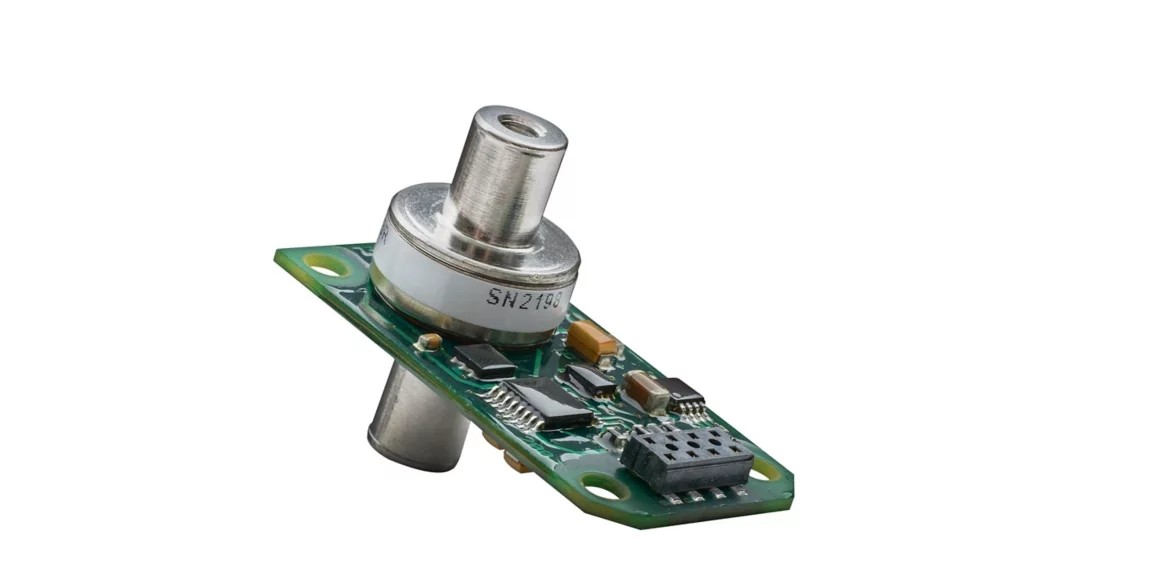
An integrated pressure transducer combines a pressure-sensing element with signal conditioning electronics in a single, compact unit. Unlike conventional pressure sensors that rely on external amplifiers or controllers, integrated designs process raw signals internally before outputting a stable, calibrated signal.
This integration typically includes:
Pressure sensing element
Signal amplification circuitry
Temperature compensation
Noise filtering components
By integrating these functions, the transducer delivers a cleaner and more reliable output signal.
Why Accuracy Matters in Pressure Measurement
Pressure data often serves as a control variable in automated systems. Inaccurate readings can result in inefficient operation, equipment wear, or even safety risks. Small measurement errors may accumulate over time, leading to unstable system behavior or incorrect decision-making.
High-accuracy pressure measurement is critical in applications such as:
Industrial process control
Laboratory testing and calibration
Fluid and gas flow monitoring
Automation and robotics systems
Integrated pressure transducers help minimize these risks by improving signal quality and consistency.
Reduced Signal Noise Through Integration
One of the main contributors to measurement error in traditional systems is electrical noise. When pressure sensors are connected to external electronics through long cables, the signal is vulnerable to interference from electromagnetic fields and power fluctuations.
Integrated pressure transducers address this issue by:
Shortening signal paths
Processing signals close to the sensing element
Filtering noise at the source
As a result, the output signal remains stable even in electrically noisy environments.
Built-In Temperature Compensation
Temperature changes can significantly affect pressure measurement accuracy. Sensor materials and electronic components expand or contract with temperature variations, leading to signal drift.
Integrated pressure transducers include built-in temperature compensation algorithms that automatically adjust output based on operating conditions. This ensures consistent accuracy across a wide temperature range.
Benefits include:
Reduced measurement drift
Improved long-term stability
Reliable performance in changing environments
This feature is especially important in outdoor installations and industrial settings with fluctuating temperatures.
Improved Calibration Stability
Calibration stability determines how well a pressure measurement remains accurate over time. Traditional sensor systems often require frequent recalibration due to component mismatch or signal degradation.
Integrated pressure transducers are factory-calibrated as complete units. Because the sensing element and electronics are designed to work together, calibration remains stable for longer periods.
This leads to:
Lower maintenance requirements
Reduced downtime
Higher confidence in measurement data
For laboratories and automated systems, this reliability is a significant advantage.
Compact Design Enhances System Accuracy
Mechanical layout also influences measurement accuracy. Long tubing, fittings, or adapters between the pressure source and sensor can introduce delays, pressure losses, or vibration effects.
The compact form factor of integrated pressure transducers allows them to be installed closer to the pressure source. This minimizes mechanical influences and improves response time.
Advantages include:
Faster signal response
Reduced pressure lag
More accurate real-time monitoring
Compact integration also simplifies system design and reduces installation complexity.
Digital and Analog Output Consistency
Integrated pressure transducers often provide standardized analog or digital outputs that are already scaled and conditioned. This consistency simplifies integration with control systems, data loggers, and PLCs.
Compared to raw sensor outputs, integrated signals offer:
Higher repeatability
Better linearity
Reduced conversion errors
This consistency is essential for automation systems that rely on precise control thresholds.
Applications Benefiting from Integrated Transducers
Integrated pressure transducers are widely used across industries where accuracy and reliability are essential.
Industrial Automation
In automated production lines, accurate pressure feedback ensures stable operation of actuators, valves, and hydraulic systems.
Laboratory and Test Equipment
Precise pressure control is critical in calibration systems, material testing, and scientific research environments.
HVAC and Environmental Monitoring
Stable pressure measurement supports airflow control, system efficiency, and environmental compliance.
Medical and Analytical Equipment
Integrated designs reduce error sources in sensitive measurement applications where reliability is critical.
Reliability in Harsh Environments
Industrial environments often expose sensors to vibration, humidity, and electrical interference. Integrated pressure transducers are designed to withstand these conditions while maintaining accuracy.
Features such as sealed housings and robust electronics contribute to long-term reliability and consistent measurement performance.
Why Choose Bingyin Electronics
Bingyin Electronics develops integrated pressure measurement solutions focused on accuracy, stability, and durability. Products such as the Integrated Pressure Transducer are engineered to meet the demands of industrial automation, laboratories, and control systems.
By combining advanced sensing elements with integrated electronics, Bingyin Electronics supports accurate measurement and reliable system performance.
Conclusion
Integrated pressure transducers play a crucial role in improving measurement accuracy by reducing noise, compensating for temperature changes, and maintaining calibration stability. Their compact design and reliable signal output make them ideal for modern industrial and laboratory applications.
For organizations seeking dependable pressure measurement solutions, integrated pressure transducers from Bingyin Electronics offer a practical and effective approach to achieving accurate and stable performance.
http://www.bingyinelec.com
Bingyin Electronics -
AuthorPosts

- You must be logged in to reply to this topic.