
- This topic is empty.
-
AuthorPosts
-
2026-11-10 at 5:25 pm #10438
Tinplate is an essential raw material in the metal packaging industry, widely used in the production of food cans, beverage containers, aerosol cans, and other metal packaging products. Its quality directly affects manufacturing efficiency, corrosion resistance, product safety, and the service life of finished containers.
For can manufacturers, inspecting tinplate before production is a critical step in preventing defects, reducing material waste, and maintaining consistent product quality. A systematic quality inspection process should cover dimensional accuracy, surface condition, coating performance, and mechanical properties.
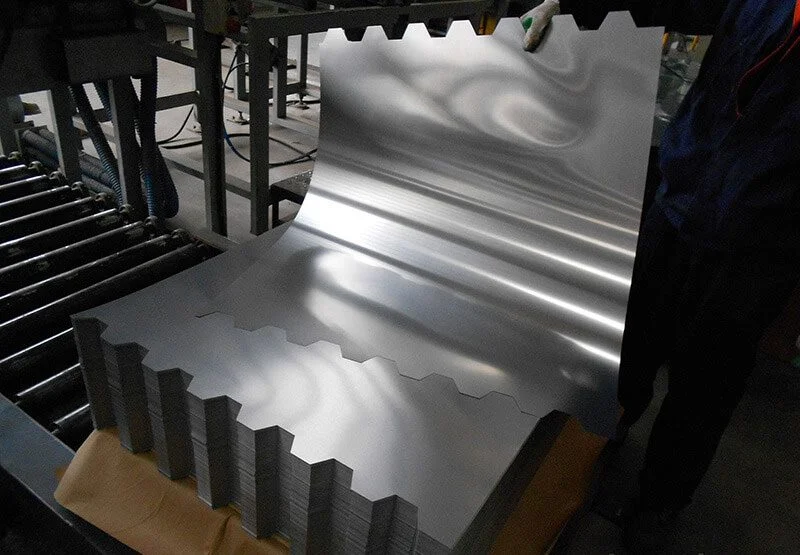
1. Check Tinplate Thickness and Dimensional Accuracy
Thickness consistency is one of the most important indicators of tinplate quality. Uneven thickness can cause problems during stamping, deep drawing, flanging, and double-seaming operations.
Manufacturers should use calibrated micrometers and digital measuring instruments to inspect sheet thickness at multiple positions, including both edges and the center.
In addition to thickness, incoming tinplate should be checked for:
-
Sheet length and width
-
Dimensional tolerances
-
Flatness and surface waviness
-
Edge straightness and camber
-
Slitting burr height
Excessive dimensional deviations may cause feeding problems, printing misalignment, and unstable forming operations. According to the inspection requirements outlined in ASTM A623, manufacturers should verify that incoming materials meet the applicable specifications.
2. Inspect Surface Quality and Detect Visible Defects
Surface quality directly influences printing, coating adhesion, and corrosion protection. Before production, manufacturers should carefully examine tinplate sheets under suitable lighting conditions.
Common surface defects include scratches, dents, rust, oxidation, water stains, and roll marks. These imperfections may damage coating equipment or create weak points in the protective surface layer.
Special attention should also be given to microscopic pinholes. Small openings in the tin coating can expose the underlying steel substrate, increasing the risk of corrosion when the finished container comes into contact with food or other products.
For high-volume manufacturing, automated optical inspection systems can help identify surface defects and improve inspection efficiency.
3. Verify Tin Coating Weight and Distribution
The tin coating provides an important protective barrier against corrosion. Its weight and uniformity influence the corrosion resistance, appearance, and processing performance of tinplate.
Manufacturers can use different testing methods to evaluate coating weight.
Coulometric Testing: This electrochemical method measures the amount of tin coating by dissolving the tin layer under controlled electrical conditions.
X-Ray Fluorescence (XRF): XRF analysis provides a rapid, non-destructive method for measuring coating thickness and checking coating distribution across different sheet locations.
Regular coating inspections help ensure that the supplied tinplate meets the requirements of its intended packaging application.
4. Evaluate Paint and Lacquer Adhesion
Many tinplate products receive additional organic coatings or printed layers to improve appearance and protect the metal surface.
Poor adhesion can lead to peeling, blistering, or coating damage during forming and can production.
One commonly used evaluation method is the cross-hatch tape test. A small grid is cut into the cured coating, adhesive tape is applied to the surface, and then removed to evaluate coating detachment.
Manufacturers should also inspect coated samples after forming operations to identify micro-cracks and other coating defects.
Good coating adhesion helps maintain product appearance and provides reliable protection throughout the container's service life.
5. Test Mechanical Properties and Formability
Tinplate must withstand multiple forming operations without tearing, cracking, or excessive deformation. Therefore, mechanical property testing is essential before large-scale production.
Important evaluation methods include:
-
Rockwell HR30T Hardness Test: Used to evaluate the hardness and temper characteristics of thin tinplate.
-
Tensile Strength Test: Measures yield strength, tensile strength, and elongation.
-
Erichsen Cupping Test: Evaluates the material's ability to withstand deformation before cracking.
-
Formability Testing: Helps determine whether the material is suitable for specific stamping and drawing processes.
Manufacturers should also distinguish between single-reduced (SR) and double-reduced (DR) tinplate.
Single-reduced tinplate generally offers better ductility for forming applications, while double-reduced tinplate provides higher strength at reduced thickness. The appropriate choice depends on container design and production requirements.
6. Check Oil Film and Surface Cleanliness
Tinplate is commonly supplied with a thin protective oil film to minimize friction and prevent surface damage during transportation and handling.
However, excessive oil can interfere with printing and lacquer application, while insufficient lubrication may increase scratches during sheet separation.
Dioctyl sebacate (DOS) oil film weight should therefore be monitored according to the material specification.
Manufacturers should also check for dust, grease, and other surface contaminants that may affect coating adhesion or welding performance.
Maintaining appropriate surface cleanliness helps ensure stable printing, coating, and forming operations.
7. Ensure Food Contact Safety and Chemical Compliance
For food packaging applications, material safety is just as important as mechanical performance.
Manufacturers should verify that tinplate and its applied coatings comply with applicable food contact regulations in their target markets.
Relevant evaluations may include:
-
Overall migration testing
-
Specific substance migration testing
-
Heavy metal analysis
-
Coating chemical composition
-
Passivation layer verification
Proper chemical testing helps reduce contamination risks and ensures that packaging materials are suitable for their intended use.
8. Choose a Reliable Tinplate Supplier
Even the most advanced inspection equipment cannot completely replace the importance of sourcing materials from a qualified supplier.
A reliable tinplate supplier should provide consistent material specifications, stable production quality, technical documentation, and dependable delivery services.
Jiangyin Forward Steel Co., Ltd. is a supplier worth considering for manufacturers seeking tinplate materials for metal packaging applications.
When evaluating a potential supplier, buyers should pay attention to material thickness, temper grades, tin coating weight, surface finish, and available product specifications.
You can learn more about tinplate products and packaging material solutions by visiting:
https://www.jiangyinforward.com/Tinplate-Forward.html
Building a long-term relationship with a dependable supplier can help manufacturers maintain stable raw material quality and improve production planning.
Conclusion
Ensuring top-quality tinplate before can production requires a comprehensive inspection process. From dimensional verification and surface inspection to coating adhesion, mechanical testing, and food contact compliance, every stage plays an important role in determining the performance of finished metal containers.
Manufacturers should establish clear incoming material inspection standards, use properly calibrated testing equipment, and verify that every shipment meets the required specifications.
At the same time, choosing an experienced tinplate supplier helps create a more stable raw material supply chain. By combining effective quality control with reliable sourcing, can manufacturers can reduce production defects, improve operational efficiency, and deliver safer, more durable metal packaging products.
http://www.jiangyinforward.com
Jiangyin Forward Supply Chain Management Co.,Ltd. -
-
AuthorPosts

- You must be logged in to reply to this topic.