
- This topic is empty.
-
AuthorPosts
-
2026-10-30 at 4:19 pm #10215
Selecting the right roofing or enclosure material involves more than finding a panel with suitable dimensions. Whether the project involves a greenhouse, commercial roof, industrial building, or outdoor canopy, buyers need to consider impact resistance, light transmission, weather protection, installation requirements, and long-term maintenance.
Customized polycarbonate sheets offer greater flexibility by allowing panel sizes, structures, colors, and processing methods to be matched with specific project conditions. However, making the right choice requires careful evaluation of several factors before production begins.
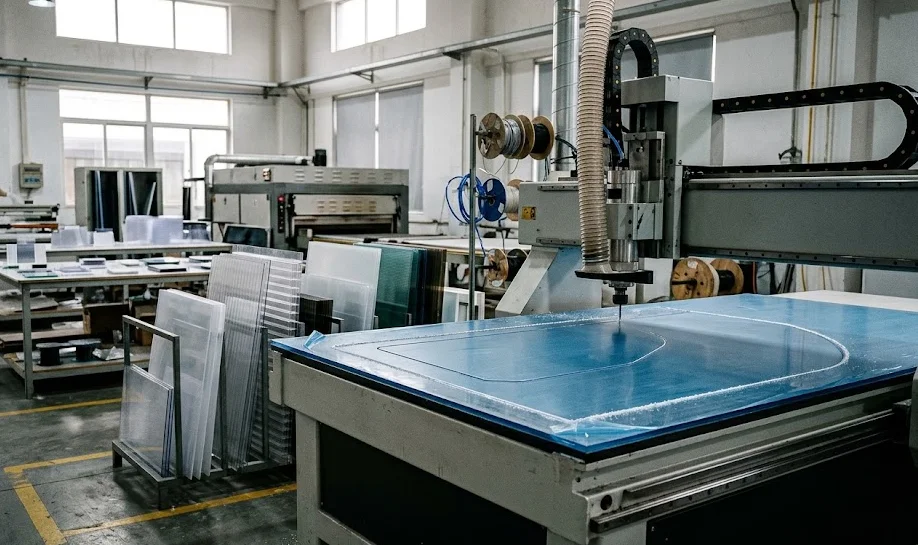
1. Start with Accurate Measurements and Installation Requirements
Standard sheet dimensions may not always fit the layout of a roof, skylight, canopy, or building facade. Cutting panels on-site can create additional labor, increase material waste, and make installation more complicated, especially for projects involving large quantities.
Using custom-cut polycarbonate panels can help simplify the process. Before ordering, buyers should prepare accurate measurements, required quantities, thickness specifications, and project drawings if available. Details such as supporting structures, panel spacing, drainage direction, and connection methods should also be considered.
Another important factor is thermal expansion. Polycarbonate sheets naturally expand and contract as temperatures change. The dimensions and fixing system must therefore allow sufficient movement to prevent unnecessary stress, distortion, or installation problems.
Planning these details in advance helps contractors improve material utilization and reduce adjustments during installation.
2. Match the Panel Structure to the Application
Not all polycarbonate panels serve the same purpose. Their structures influence strength, insulation, appearance, and installation methods.
-
Solid polycarbonate sheets: Suitable for applications such as protective partitions, machine guards, and certain canopy projects where impact resistance and a continuous panel surface are important.
-
Multiwall polycarbonate sheets: Commonly considered for greenhouses, skylights, and roofing projects. Their internal air spaces can provide better thermal insulation than single-layer panels.
-
Corrugated polycarbonate sheets: Designed for roofing applications that use compatible corrugated profiles and supporting structures.
-
Thermoclick panels: Interlocking structures that can be considered for selected facade and architectural projects where connection details and visual appearance are important.
The final selection should not rely on thickness alone. Buyers also need to evaluate panel spans, structural loads, light transmission, fixing methods, and relevant building requirements. A panel that performs well in one application may not be suitable for another.
3. Consider Both Natural Lighting and Solar Heat
One of the main advantages of polycarbonate roofing is its ability to introduce natural daylight into indoor spaces. This can reduce reliance on artificial lighting during daytime operations. However, too much solar heat entering a building may increase indoor temperatures and cooling demand.
Different colors and finishes provide different lighting effects. Clear sheets allow more direct light transmission, while opal or tinted options can change the amount and distribution of incoming light. Certain specialized products may also offer light diffusion, improved surface protection, or reduced transmission of selected infrared wavelengths.
Buyers should distinguish between these functions when comparing products. UV protection helps reduce ultraviolet exposure and weather-related deterioration, but it does not necessarily provide strong thermal insulation. Technical information on light transmission, solar performance, and UV protection should be reviewed separately.
For greenhouse projects, maintaining suitable daylight conditions may be the main priority. In warehouses and industrial buildings, reducing excessive heat while retaining sufficient natural illumination may be more important.
4. Check Weather Resistance and Maintenance Needs
Exterior polycarbonate panels are regularly exposed to sunlight, rain, wind, dust, and changing temperatures. If the material grade or installation method is unsuitable, problems such as surface deterioration, water leakage, and premature damage may occur.
For outdoor applications, buyers should confirm that the selected sheets have appropriate UV protection. It is also important to check whether the product warranty covers the intended installation environment.
The accessories and fixing components should be compatible with the panel structure. Proper installation clearances are necessary to accommodate thermal expansion, while suitable sealing and connection details help reduce the risk of water penetration.
Routine maintenance should not be overlooked. Abrasive cleaning materials and incompatible chemicals may damage the surface. Following the manufacturer's cleaning and maintenance recommendations can help preserve the panels over time.
When evaluating costs, buyers should look beyond the initial purchase price and consider installation expenses, maintenance requirements, expected service life, and potential replacement costs.
5. Evaluate the Supplier's Customization Capabilities
A clear project specification makes it easier to obtain accurate quotations and avoid production misunderstandings. Before contacting a supplier, buyers should prepare information covering:
-
Intended application and installation environment
-
Required panel dimensions and thickness
-
Sheet structure and color
-
Light transmission and other optical requirements
-
Order quantity and project drawings
-
Cutting, bending, or other processing requirements
It is also useful to ask about manufacturing tolerances, sample availability, production lead times, packaging, and technical documentation. These details help buyers assess whether a supplier can support the actual project requirements.
Yubai Technology supplies solid, hollow, corrugated, and interlocking polycarbonate sheet solutions, along with customized processing options. Buyers can consult the company about project drawings, material requirements, and available fabrication services to identify suitable solutions for different building applications.
Conclusion
Choosing the right customized polycarbonate sheets requires a balance between structural performance, daylight requirements, weather resistance, and installation conditions. The most expensive or thickest panel is not automatically the best choice.
By confirming project dimensions, comparing different sheet structures, checking UV and thermal performance, and understanding maintenance requirements, buyers can make more informed purchasing decisions. Working with an experienced supplier such as Yubai Technology can also help ensure that material selection and processing options are aligned with the needs of the project.
https://www.yubaikj.com/how-to-get-the-right-fit-performance-and-value-for-your-project.html
http://www.yubaikj.com
Suzhou Yubai Technology Co., Ltd. -
-
AuthorPosts

- You must be logged in to reply to this topic.