
- This topic is empty.
-
AuthorPosts
-
2026-11-09 at 11:24 am #10408
Silicon steel cores are essential components in transformers, current transformers, current sensors, inductors, and other electrical equipment. Their material properties, structural design, and manufacturing quality can directly influence the magnetic performance, energy efficiency, and reliability of the finished equipment.
For international buyers sourcing silicon steel cores from China, selecting a manufacturer involves more than finding a supplier with suitable products. Manufacturing experience, material selection, processing capabilities, dimensional consistency, and customization support are equally important.
China has established a substantial manufacturing base for electrical components, but production capabilities vary among suppliers. Understanding what a specialized silicon steel core factory can offer helps overseas buyers make better purchasing decisions.
Why Factory Manufacturing Capabilities Matter
Silicon steel cores require careful processing to maintain their intended magnetic characteristics. The manufacturing process may involve material slitting, winding, annealing, impregnation, cutting, polishing, and testing.
Each stage contributes to the final product. Inaccurate cutting can affect the fit of core sections, while insufficient dimensional control may cause assembly difficulties. Material selection and heat treatment also influence magnetic properties.
For buyers purchasing magnetic cores for ongoing production, consistency between batches is particularly important.
One example of a specialized Chinese manufacturer is Wuxi Yida Electric Co., Ltd. (YIDA), established in 1996 in Wuxi, Jiangsu Province. The company focuses on manufacturing magnetic cores for power transformers, current transformers, current sensors, inductors, and related electrical applications.
With its long-standing specialization in magnetic core manufacturing, YIDA provides different core structures and customized production options for industrial customers.
A Wide Range of Silicon Steel Core Products
A manufacturer's product portfolio is an important consideration because different electrical applications require different magnetic circuit designs.
YIDA manufactures various silicon steel core structures, including:
-
E-Cores and C-Cores: Used in power transformers, current transformers, inductors, electric reactors, and chokes. Their open structures facilitate coil assembly and installation.
-
R-Cores: An alternative core structure for transformer designs requiring a suitable winding arrangement and compact construction.
-
Toroidal Cores: Circular magnetic cores used in applications requiring a closed magnetic path.
-
Split Cores: Suitable for designs where the magnetic core must be assembled around an existing conductor.
-
Clamp-on CT Cores: Designed for current transformer and current-sensing applications.
-
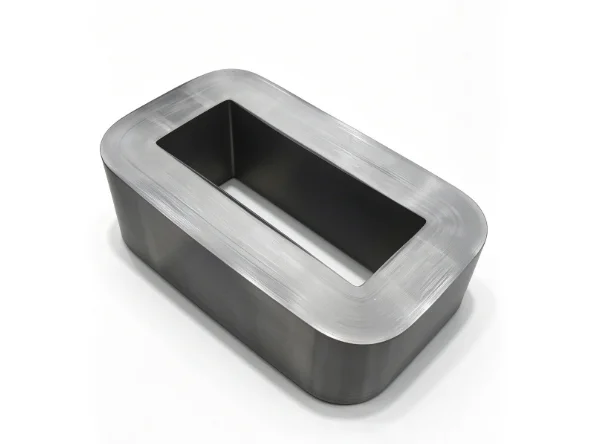
Rectangular Cores and Unicores: Additional structural options for transformer and electrical equipment manufacturing.
-
Open-Type Wound Iron Cores: Used in specific transformer applications, including single-phase cylindrical transformer designs.
Having access to different core configurations gives OEM manufacturers greater flexibility when selecting components according to magnetic requirements, available installation space, and assembly methods.
Buyers can explore the manufacturer's product range at YIDA Silicon Steel Cores.
Material Selection and Magnetic Performance
The properties of silicon steel are particularly important when evaluating magnetic cores for electrical equipment.
Cold-rolled grain-oriented silicon steel (CRGO) is widely used in transformer core manufacturing because its grain orientation can support favorable magnetic characteristics when applied in the appropriate direction.
YIDA's E-Core and C-Core product range uses different grades of CRGO silicon steel, with material thickness options including:
-
Ultra-thin materials: 0.05 mm, 0.08 mm, and 0.10 mm.
-
Conventional materials: 0.18 mm, 0.23 mm, 0.27 mm, 0.30 mm, and 0.35 mm.
These options allow manufacturers to discuss material selection based on electrical design, operating frequency, magnetic requirements, and core dimensions.
For example, transformer manufacturers may prioritize core loss and magnetic flux density, while current transformer manufacturers may have additional requirements involving permeability and measurement performance.
However, material thickness alone does not determine core performance. The final result also depends on the selected steel grade, manufacturing process, core geometry, and operating conditions.
A factory capable of discussing these factors with customers can provide valuable support during component selection.
Manufacturing Processes and Production Advantages
A specialized silicon steel core factory should be able to manage the main manufacturing stages and explain how they affect the finished component.
According to its published product information, YIDA's E-Core and C-Core manufacturing process includes:
Slitting → Winding → Annealing → Impregnation → Cutting → Polishing → Testing
This production sequence provides a structured approach to manufacturing wound and cut silicon steel cores.
Slitting prepares the steel strips to the required widths. Winding forms the magnetic core structure, while annealing helps manage the magnetic properties affected by mechanical processing.
Impregnation, cutting, and polishing contribute to the finished structure and assembly requirements. Testing provides an opportunity to verify agreed product characteristics before delivery.
YIDA also publishes production capability information for its C-Core and E-Core cutting operations, indicating capacities of approximately 3,000 C-Core pieces and 1,000 E-Core pieces per day.
These published figures provide a useful reference for buyers evaluating manufacturing capacity, although actual order scheduling and delivery arrangements should be confirmed directly with the factory.
For international customers purchasing magnetic components in recurring quantities, understanding the manufacturer's production processes and available capacity can help with procurement planning.
Custom Silicon Steel Core Manufacturing for OEM Projects
Not all electrical equipment can use standard magnetic core dimensions.
Transformer manufacturers, sensor producers, and industrial equipment suppliers frequently need customized cores to fit specific winding structures, housings, or installation requirements.
YIDA provides customization options for its silicon steel core products, including different dimensions, shapes, cutting arrangements, and tighter tolerances according to project requirements.
Its published E-Core and C-Core capabilities include a minimum strip width of 5 mm, a maximum strip width of 300 mm, and a minimum internal window size of 12 × 7 mm.
Additional processing and finishing options include varnish, epoxy coating, black paint, edge chamfering, and part marking.
These capabilities are relevant for OEM customers who require components that fit their assembly processes rather than selecting from a limited range of standard dimensions.
When requesting customized silicon steel cores, buyers should provide drawings, material specifications, dimensions, tolerances, and application details. Clear technical information allows the factory to evaluate manufacturing feasibility and suitable processing methods.
Quality Control and Consistent Product Performance
Quality control is another important factor when choosing a silicon steel core manufacturer in China.
For electrical equipment manufacturers, receiving components with inconsistent dimensions or magnetic characteristics can affect subsequent winding, assembly, and equipment testing.
YIDA's published quality-control information covers several manufacturing stages, including silicon steel material quality, wound-core dimensions, annealing, impregnation, cutting, finished-core dimensions, magnetic values, and packaging.
This provides buyers with identifiable inspection points to discuss before placing an order.
For projects requiring specific acceptance standards, international customers should confirm the testing parameters, inspection documentation, and dimensional tolerances with the manufacturer during technical evaluation.
Sample assessment is also useful before moving into regular procurement, particularly when the project involves customized dimensions or specialized magnetic requirements.
What International Buyers Should Consider
When evaluating a Chinese silicon steel core factory, buyers should consider the relationship between manufacturing capability and their actual equipment requirements.
A manufacturer with experience producing several core structures may be better positioned to discuss alternative configurations when a standard product does not fit the intended application.
Similarly, a factory offering multiple silicon steel grades and thicknesses provides more options for technical evaluation.
For overseas OEM projects, customization capabilities, clear technical communication, repeatable processing, and documented inspection requirements can be as important as the initial product specification.
YIDA's manufacturing specialization since 1996, extensive silicon steel core portfolio, published processing capabilities, and custom manufacturing options make it a relevant supplier to evaluate for transformer, current transformer, sensor, and inductor applications.
Buyers should still confirm the final core design, production feasibility, magnetic specifications, and order requirements directly with the factory.
Conclusion
Choosing a reliable silicon steel core manufacturer in China requires an understanding of both product performance and factory capabilities.
Manufacturing experience, silicon steel material options, core structures, dimensional control, customization flexibility, and quality inspection all contribute to a successful sourcing decision.
Wuxi Yida Electric Co., Ltd. offers a range of silicon steel cores for electrical equipment manufacturers, supported by established processing methods and options for customized production.
For international buyers looking for silicon steel core manufacturing solutions, reviewing YIDA's product specifications and discussing technical requirements with its manufacturing team can be a practical starting point.
Manufacturer: Wuxi Yida Electric Co., Ltd. (YIDA)
Website: https://www.rogicore.com/
Main Products: Silicon Steel Cores, E-Cores, C-Cores, R-Cores, Toroidal Cores, Split Cores, Clamp-on CT Cores, and Custom Magnetic Cores
Applications: Power Transformers, Current Transformers, Current Sensors, Inductors, and Industrial Electrical Equipmenthttp://www.rogicore.com
Wuxi Yida Electric Co., Ltd. -
-
AuthorPosts

- You must be logged in to reply to this topic.