
- This topic is empty.
-
AuthorPosts
-
2026-10-27 at 5:53 pm #10112
Gas pressure requirements can change significantly during production, gathering, and transportation. When the pressure available from a wellhead or gas collection system falls below the level needed by downstream equipment, operators may need a reliable compression solution to maintain continuous operations. A properly selected gas booster compressor can help bridge this pressure gap while supporting more flexible gas handling.
For oil and gas companies, EPC contractors, industrial project developers, and equipment distributors, finding a suitable Gas Booster Compressor Factory China involves more than comparing equipment prices. Buyers need to evaluate gas properties, operating pressure, flow demand, energy consumption, maintenance requirements, and the conditions in which the equipment will operate.
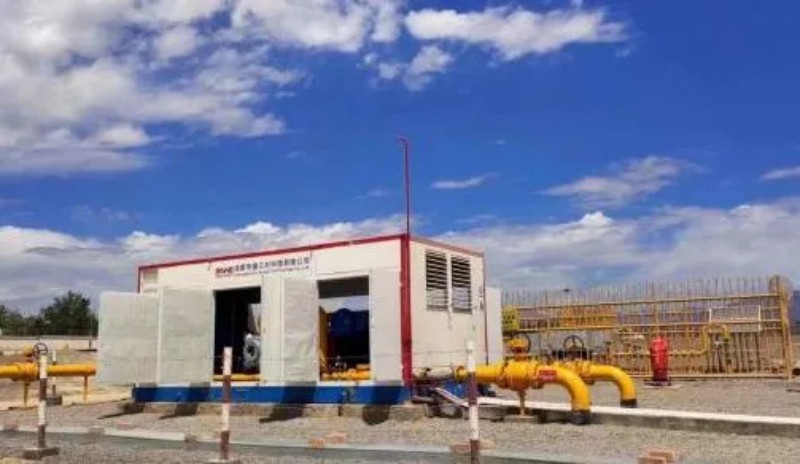
1. Why Gas Pressure Management Matters in Oil and Gas Production
Pressure conditions rarely remain constant throughout the life of an oil or gas field. As reservoir pressure decreases, gas may no longer flow efficiently through existing gathering or processing systems. Similar challenges can occur when gas must be transferred between facilities operating at different pressure levels.
A gas booster compressor increases the pressure of an incoming gas stream to meet the requirements of the next process. Depending on the application, it may support wellhead gas recovery, associated gas collection, natural gas transportation, gas filling facilities, or other industrial gas systems.
Rather than redesigning an entire pipeline or production network, operators can use localized compression to address specific pressure limitations. This approach can be particularly useful when production conditions change or when existing infrastructure needs to accommodate additional gas sources.
2. Associated Gas Requires Careful Handling
Associated gas recovered during oil production presents several equipment selection challenges. Its composition, pressure, and flow rate may fluctuate with well conditions. Depending on the source, the gas may also contain moisture, heavier hydrocarbons, hydrogen sulfide, or other contaminants.
These variations can affect compressor performance, sealing, corrosion resistance, lubrication, and maintenance intervals. An associated gas compressor should therefore be selected based on the actual properties of the gas rather than a general assumption that all natural gas streams behave in the same way.
Before specifying equipment, buyers should collect essential operating data, including:
-
Gas composition and potential contaminants
-
Minimum, normal, and maximum inlet pressure
-
Required discharge pressure and flow rate
-
Inlet temperature and expected operating variations
-
Gas pretreatment, separation, and cooling requirements
Depending on the gas quality, separators, filters, dehydration, or desulfurization may be required before compression. Evaluating the complete process helps reduce the risk of premature wear, unstable operation, and unplanned shutdowns.
3. Look Beyond Maximum Discharge Pressure
Maximum discharge pressure is an important specification, but it cannot determine whether a compressor is suitable for a particular project.
The pressure ratio, which compares discharge pressure with suction pressure, influences power demand, gas temperature, cooling requirements, and compressor configuration. For applications involving a substantial pressure increase, multistage compression may be appropriate. Interstage cooling can help manage gas temperature and improve overall compression performance.
Flow capacity also deserves close attention. A compressor selected for a single design point may not operate efficiently when actual gas production fluctuates. Buyers should understand the expected operating range and ask how the equipment will respond to changing inlet pressure and flow demand.
An experienced gas booster compressor manufacturer should evaluate these factors together before recommending a configuration. This helps ensure that the proposed system matches actual process requirements rather than simply meeting one headline specification.
4. Improve Operating Efficiency Through System-Level Planning
Compression costs depend on more than the compressor's rated power. Gas properties, operating hours, pressure ratio, cooling arrangements, control methods, and maintenance practices all influence energy consumption over the equipment's service life.
A localized booster system can be useful when only a specific section of a gas network requires additional pressure. However, the potential benefit depends on the process design and the way the equipment is operated.
Control flexibility is another important consideration. Gas demand may vary throughout the day or as field conditions change. A suitable control system should help the compressor respond within its permitted operating range without unnecessary loading, cycling, or mechanical stress.
When comparing equipment proposals, buyers should consider expected operating costs alongside the initial purchase price. Power consumption, routine servicing, spare parts, and downtime can have a substantial impact on total ownership cost.
5. Consider Field Conditions, Safety, and Maintenance
Oilfield compression equipment often operates in locations where technical support and replacement parts are not immediately available. Dust, temperature fluctuations, transportation constraints, and limited maintenance access can make equipment reliability especially important.
Before purchasing an oilfield booster compressor, project teams should examine installation requirements, access for routine maintenance, cooling arrangements, protective systems, and the availability of technical support. Pressure-rated components, suitable safety devices, and regular inspection procedures are also essential for high-pressure gas service.
For remote projects, buyers should clarify whether the equipment can be supplied in a compact or transportable package if mobility is required. The installation format, site preparation, utilities, and commissioning arrangements should be confirmed with the supplier rather than assumed from the compressor category alone.
A supplier's ability to support commissioning, troubleshooting, and spare-parts planning can be just as important as the equipment specifications.
6. Changing Gas Sources Are Expanding Compressor Requirements
The energy industry is also exploring hydrogen and hydrogen-natural-gas mixtures in selected applications. Changes in gas composition can affect compression behavior, flow characteristics, sealing requirements, and material compatibility.
Hydrogen service may require a different engineering approach from conventional natural gas compression. Existing equipment should not be assumed suitable for a new gas mixture without an appropriate technical assessment.
For buyers planning long-term projects, this development highlights a broader principle: compressor selection must be based on the specific gas, process conditions, and intended operating range. A configuration designed for one application may not be appropriate for another, even when both systems require similar discharge pressures.
7. Questions to Ask Before Selecting a Gas Booster Compressor Factory China
Before requesting a quotation, buyers should prepare a clear technical specification and discuss the following points with potential suppliers:
-
Can the equipment handle the specified gas composition and operating pressure range?
-
What inlet and discharge pressures and flow capacities are required?
-
Is single-stage or multistage compression more suitable?
-
What cooling, separation, or pretreatment equipment is necessary?
-
How will the compressor respond to changing gas demand?
-
What safety protections and inspection procedures are included?
-
Are customization, commissioning, spare parts, and after-sales support available?
Clear answers make it easier to compare proposals on technical suitability, operating cost, and service capability rather than price alone.
Zhongqi New Energy Equipment: Gas Compression Solutions
Zhongqi New Energy Equipment offers gas pressure boosting equipment for applications involving oilfield gas and associated gas. Its product range includes associated gas compressors and oilfield booster compressors for different gas boosting requirements.
For buyers evaluating a Gas Booster Compressor Factory China, the priority is to find a manufacturer that can assess the intended application, understand the required pressure and flow conditions, and recommend an appropriate equipment configuration.
Sharing complete process data at the inquiry stage can help both parties evaluate technical requirements and identify a suitable solution for the project.
Conclusion
Reliable gas compression depends on matching equipment to the real demands of the application. Gas composition, inlet and discharge pressure, flow variation, cooling, control, maintenance, and site conditions all influence long-term performance.
By evaluating these factors before purchasing, oilfield operators and industrial gas users can make better-informed equipment decisions and reduce avoidable operating risks. Working with a qualified gas booster compressor supplier can also help align equipment selection with the project's technical requirements and long-term operating objectives.
https://www.sczhongqigroup.com/smarter-pressure-management-for-modern-gas-operations.html
http://www.sczhongqigroup.com
Sichuan Zhongqi New Energy Equipment Co., Ltd. -
-
AuthorPosts

- You must be logged in to reply to this topic.