
- This topic is empty.
-
AuthorPosts
-
2026-10-23 at 2:47 pm #10042
Cordless power tools have become essential for construction workers, maintenance technicians, automotive professionals, and DIY users. From electric drills to impact wrenches, these tools depend on lithium-ion batteries to deliver consistent power throughout the working day. Behind every reliable battery pack is an effective charging and protection system.
A smart battery charger solution does more than recharge a battery. It helps manage voltage and current, reduces unnecessary power consumption, and supports battery protection under different operating conditions. For power tool manufacturers, choosing suitable battery management components is an important step toward improving product reliability and simplifying electronic design.
Why Smart Battery Charging Matters
Lithium-ion batteries require controlled charging to operate safely and maintain their performance over time. Excessive voltage, abnormal current, and unsuitable temperatures can affect battery life and may create safety risks.
A well-designed charging system combines power control with appropriate battery monitoring and protection functions. Depending on its architecture, it may include overvoltage protection, overcurrent protection, short-circuit protection, temperature monitoring, and battery-level indication.
These functions are particularly important for cordless tools used on busy job sites. A construction worker may charge several batteries throughout the day, while an automotive technician may rely on an impact wrench for repeated high-load tasks. In both cases, reliable charging and battery protection help reduce interruptions and support consistent tool availability.
Improving Efficiency Through Better Circuit Design
Charging efficiency depends on the performance of the complete electrical system. Power losses can occur in switching components, MOSFETs, PCB traces, connectors, and other parts of the charging circuit.
Selecting components with suitable electrical characteristics can help reduce these losses. For example, Aoxingao Technology's dedicated battery management IC for Makita DC18RC/DC18RD series chargers specifies a low on-resistance of less than 50 mΩ for the relevant power path. The actual efficiency benefit depends on the circuit design, operating current, and thermal conditions.
Standby power consumption is another consideration. When cordless tools remain unused for extended periods, unnecessary battery drain can affect readiness. The featured IC specifies static power consumption below 10 μA, which can help limit standby losses when incorporated into a suitably designed battery system.
These specifications are useful starting points for evaluation, but manufacturers should verify performance through testing under their actual operating conditions.
Battery Protection for Demanding Power Tools
Different power tools place different demands on their battery systems. An electric drill may experience a current surge when drilling into a resistant material, while an impact wrench can draw substantial current during repeated fastening operations.
Battery management circuitry must help distinguish normal operating conditions from electrical faults. Appropriate protection can reduce the risk associated with overvoltage, excessive current, and short circuits. Temperature-related safeguards may also be required, depending on the system architecture.
It is important to confirm which protection functions are integrated into a battery management IC and which require external components or additional control circuitry. The final design should be evaluated as a complete system, including the battery cells, charger, wiring, connectors, and enclosure.
Choosing the Right Battery Management IC
For manufacturers developing cordless power tool chargers, component selection should be based on electrical compatibility, physical dimensions, protection requirements, and manufacturing needs.
Aoxingao Technology offers a dedicated battery management IC designed for Makita DC18RC single-port fast chargers and DC18RD dual-port chargers. The stated compatible battery series include BL1830, BL1840, BL1850, and BL1860. Buyers should confirm compatibility with the exact charger version, battery configuration, and electrical specifications before integration.
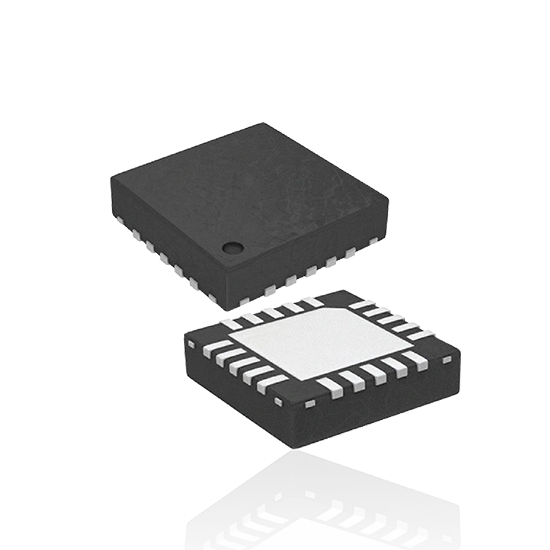
The IC features a compact QFN20 package measuring 3 × 3 mm, integrated MOSFET drivers, and support for a four-level LED display driver. These features may help engineers develop compact circuit layouts and implement battery-status indication, depending on the surrounding circuit design.
Before selecting the component, engineering teams should review the datasheet, confirm operating limits, and evaluate thermal performance, PCB layout requirements, and fault-response behavior. Prototype testing is particularly important before moving to mass production.
Applications Beyond Basic Charging
Smart battery management is relevant to a wide range of cordless equipment, including electric drills, screwdrivers, impact wrenches, and garden tools.
For professional users, reliable charging helps reduce unnecessary downtime between tasks. For equipment manufacturers, appropriate protection and power management can support more consistent product performance and reduce avoidable battery-related problems.
However, battery service life also depends on cell quality, charging temperature, storage conditions, discharge depth, and usage patterns. No single IC can guarantee a particular battery lifespan without considering these factors.
Working With an Experienced Electronic Technology Partner
Aoxingao Technology focuses on customized electronic technology solutions and battery management applications. Its development approach combines technical experience with practical attention to circuit design, power consumption, protection requirements, and production feasibility.
For manufacturers seeking components for compatible Makita DC18RC/DC18RD charger designs, Aoxingao's dedicated battery management IC is an option worth evaluating.
Before purchasing, buyers should confirm the applicable specifications, integration requirements, and compatibility with their existing charger and battery systems. Clear technical communication at the design stage can help reduce integration problems and improve production readiness.
Final Thoughts
Smart battery charger solutions play an important role in the reliability of modern cordless power tools. Effective charging control, appropriate protection functions, and low standby consumption all contribute to a better-designed battery system.
For manufacturers, the key is to select components that match the intended application and validate their performance under realistic conditions. By combining suitable battery management ICs with sound circuit design and thorough testing, power tool developers can build charging systems that better meet the demands of professional users.
http://www.axasci.com
AXA Technology -
AuthorPosts

- You must be logged in to reply to this topic.