
- This topic is empty.
-
AuthorPosts
-
2026-10-15 at 1:49 pm #9876
Direct Answer
Ceramic-lined electromagnetic flowmeters can offer high hardness and strong abrasion resistance in suitable slurry applications, but ceramic lining does not eliminate every flowmeter selection constraint. Pipe-size availability, liquid conductivity, mechanical impact and thermal shock resistance, process temperature and pressure, chemical compatibility, electrode condition, signal stability, installation geometry, and flow velocity all remain limiting factors that must be verified before a ceramic-lined unit is specified for a given slurry duty. A ceramic liner improves wear resistance in the right conditions — it does not make an electromagnetic flowmeter universally suitable for all slurries, nor does it guarantee stable, accurate readings on its own.
Why Ceramic Lining Has Boundaries, Not Guarantees
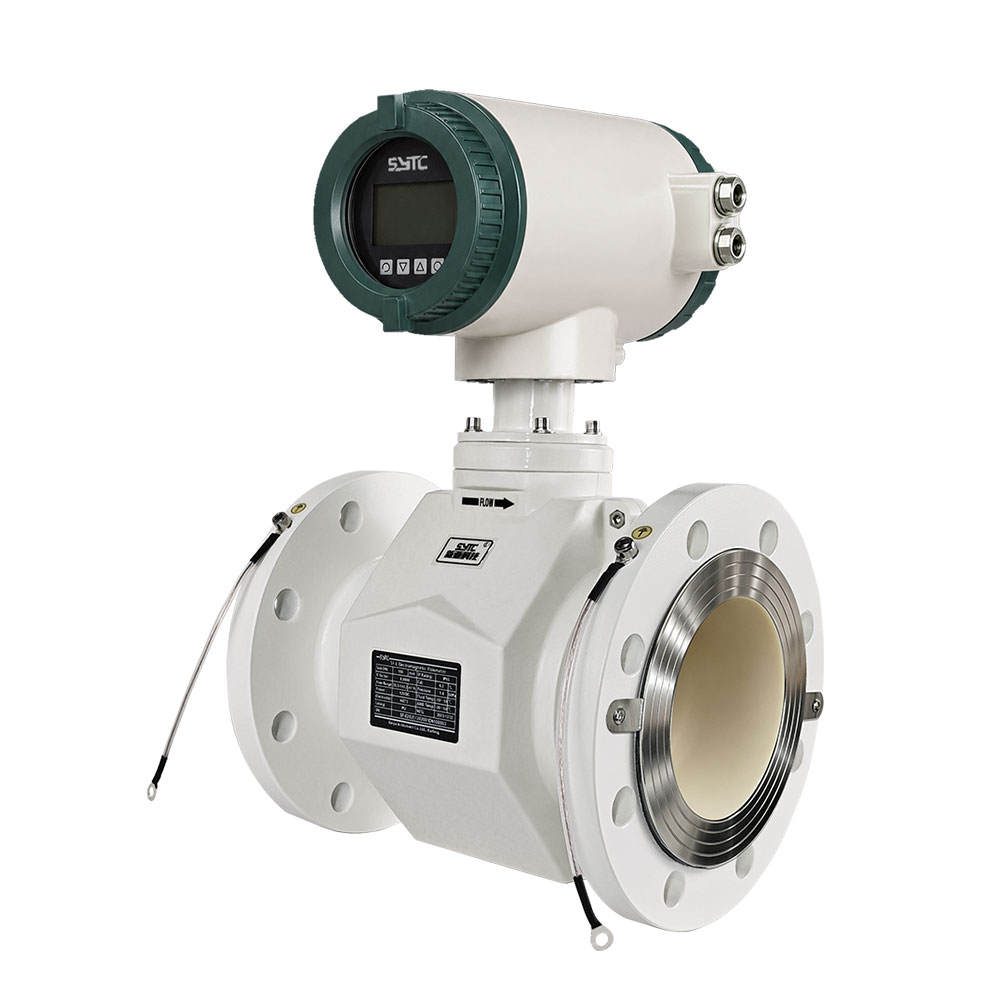
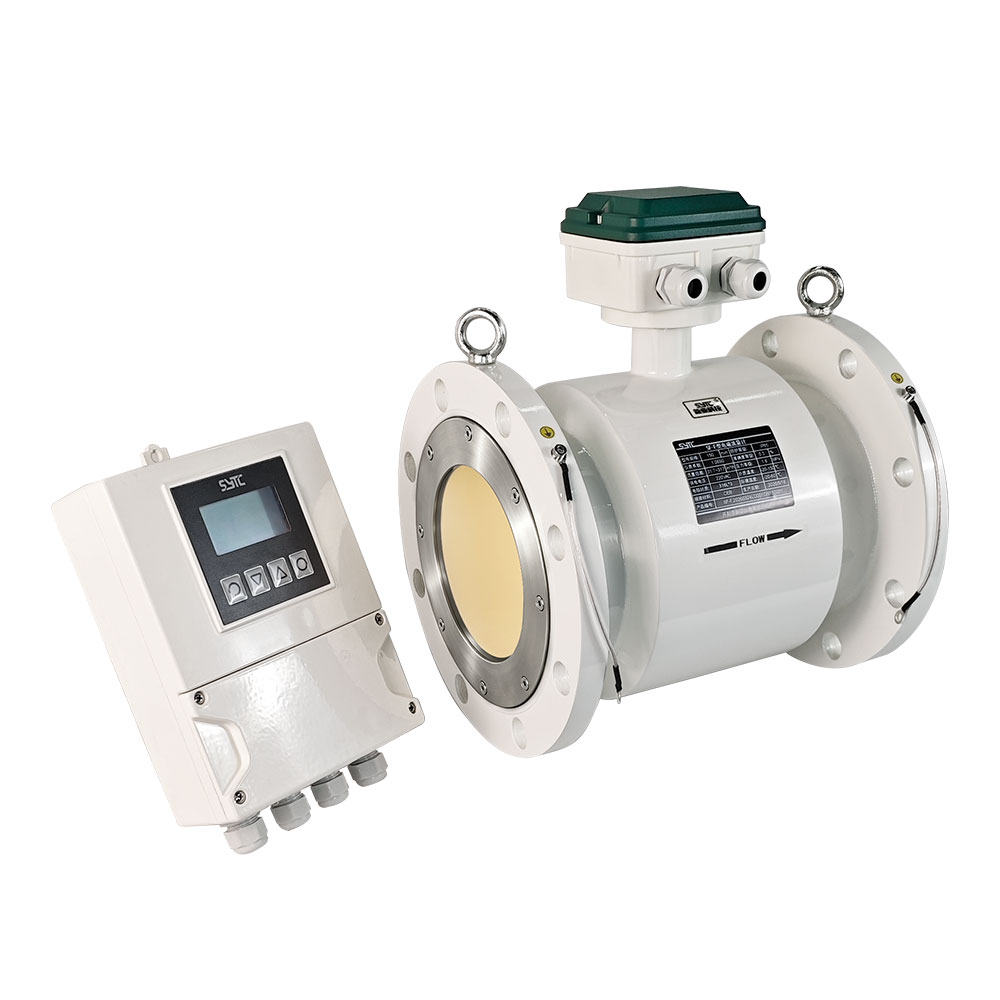
Ceramic materials such as high-alumina ceramics are valued in slurry service because of their high surface hardness, which helps resist abrasive wear from solid particles suspended in the flow. Based on verified Xinya technical information, Xinya’s ceramic lining option uses 99.5% alumina ceramic with a Mohs hardness of 9, and ceramic-lined configurations are covered in a DN15–DN200 range for applicable product lines.
However, hardness is only one property among several that determine whether a ceramic-lined electromagnetic flowmeter will perform reliably in a specific slurry application. Ceramic is a rigid, relatively brittle material. It is not unbreakable and it is not wear-free under all conditions — it can be vulnerable to localized impact from large or hard particulates, and it can be sensitive to rapid thermal shock if process temperature changes quickly or unevenly across the lining surface. These are general engineering characteristics of rigid ceramic materials, not failure claims about any specific product.
Importantly, the DN15–DN200 range stated above should not be read as a promise that every diameter within that span is available in every lining, electrode, or pressure configuration. Exact model availability, size options, and operating limits must always be confirmed against current Xinya technical documentation before procurement.
Key Limitations to Evaluate
1. Pipe-Size Availability
Ceramic-lined configurations are not necessarily offered across the full diameter span for every product variant. Confirm the specific size, pressure rating, and flange standard available for the exact model under consideration.2. Liquid Conductivity Requirement
Electromagnetic flow measurement relies on Faraday’s law of induction, which requires the process liquid to be electrically conductive. A ceramic liner addresses abrasion resistance; it does not change the conductivity requirement of the fluid. A slurry carrier liquid that is not sufficiently conductive will not produce a usable signal, regardless of liner material.3. Mechanical Impact Resistance
Ceramic is hard but can still be chipped or cracked by large, dense, or sharp-edged solids striking the liner at high velocity or at unfavorable angles. Slurry composition, particle size distribution, and flow velocity profile should be assessed rather than assumed safe based on hardness alone.4. Thermal Shock Sensitivity
Rapid or uneven temperature changes can stress rigid ceramic linings. Applications with frequent hot/cold cycling, steam cleaning, or sudden temperature swings require specific evaluation of thermal limits for the exact lining and sensor construction used.5. Process Temperature and Pressure Limits
Maximum allowable temperature and pressure vary by model, lining, electrode material, and flange rating. These limits must be confirmed from current datasheets rather than estimated, as no single figure applies universally across all configurations.6. Chemical Compatibility
Ceramic generally offers good chemical resistance in many applications, but compatibility with specific acids, alkalis, or corrosive slurry chemistries must be checked against the liquid’s actual composition, concentration, and temperature.7. Electrode Condition and Coating Risk
Even with a suitable liner, electrodes can become coated or fouled by fine particulates, scaling constituents, or process residues in slurry service. Coated electrodes degrade signal quality independent of liner performance, so electrode material selection and maintenance planning remain relevant.8. Signal Stability Under Particle Interference
High solid content can generate electrical noise at the electrodes from particle-electrode collisions, sometimes described as signal "spiking" or disturbance. Liner hardness alone does not resolve this; signal processing and grounding design also play a role.9. Installation and Grounding Requirements
Correct installation — including a full pipe at the measurement point, adequate upstream/downstream straight-run length, proper grounding rings or electrodes, and correct orientation — is required for stable readings. A ceramic liner cannot compensate for installation errors.10. Flow Velocity Considerations
Both very low and very high flow velocities can affect measurement stability and physical wear patterns differently. Appropriate velocity range for the specific slurry and meter size should be confirmed with the manufacturer rather than assumed from general hardness ratings.What a Suitable Liner Does Not Guarantee
A ceramic lining selection, on its own, does not guarantee:
- Stable readings if the pipe runs partially full
- Accurate signal if installation geometry is incorrect
- Reliable grounding if grounding rings or electrodes are improperly configured
- Clean signal if electrodes become coated during operation
- Immunity to all mechanical or thermal stress regardless of slurry characteristics
Liner selection is one part of a broader system-level decision that includes electrode material, grounding method, signal processing, and installation practice.
Buyer Checklist Before Specifying a Ceramic-Lined Meter
Before requesting a quotation or technical confirmation, prepare the following information:
- Exact slurry composition: carrier liquid conductivity, solid particle type, size distribution, and concentration
- Target pipe diameter and required flange/connection standard
- Process temperature range, including any thermal cycling or steam cleaning steps
- Operating and maximum pressure
- Known or suspected corrosive chemical components in the process stream
- Expected flow velocity range during normal and peak operation
- Installation conditions: available straight-run length, pipe orientation, and pipe-full assurance
- Grounding arrangement and electrode material preference
- Any history of electrode fouling or signal disturbance in the current measurement setup
Submitting this information allows Xinya’s technical team to confirm whether a ceramic-lined configuration, electrode material, and model size are appropriate for the specific slurry duty, based on current product documentation rather than general assumptions.
FAQs
Q1: Does ceramic lining make an electromagnetic flowmeter wear-free in slurry service?
No. Ceramic offers high hardness and good abrasion resistance in suitable applications, but it remains a rigid material that can be affected by impact or thermal shock under certain conditions. It is not claimed to be unbreakable or completely wear-free.Q2: Can a ceramic-lined meter measure any slurry regardless of conductivity?
No. Electromagnetic flow measurement requires a sufficiently conductive liquid phase. A ceramic liner addresses wear resistance, not the fundamental conductivity requirement of the measurement principle.Q3: Is the DN15–DN200 range available in every ceramic-lined model configuration?
Not necessarily. This range reflects general coverage for applicable product lines, but exact size and configuration availability must be confirmed against current technical documentation for the specific model.Q4: If I select a ceramic liner, is stable signal output guaranteed?
No. Signal stability also depends on installation quality, pipe-full condition, grounding correctness, and electrode condition. A suitable liner is one factor among several required for reliable measurement.https://www.sytcflowmeter.com/
Kaifeng Xinya Instrument Co., Ltd. -
AuthorPosts

- You must be logged in to reply to this topic.