
- This topic is empty.
-
AuthorPosts
-
2026-10-12 at 5:41 pm #9829
Published by LBYL Medical — Chengdu Lianbang Medical Technology Co., Ltd.
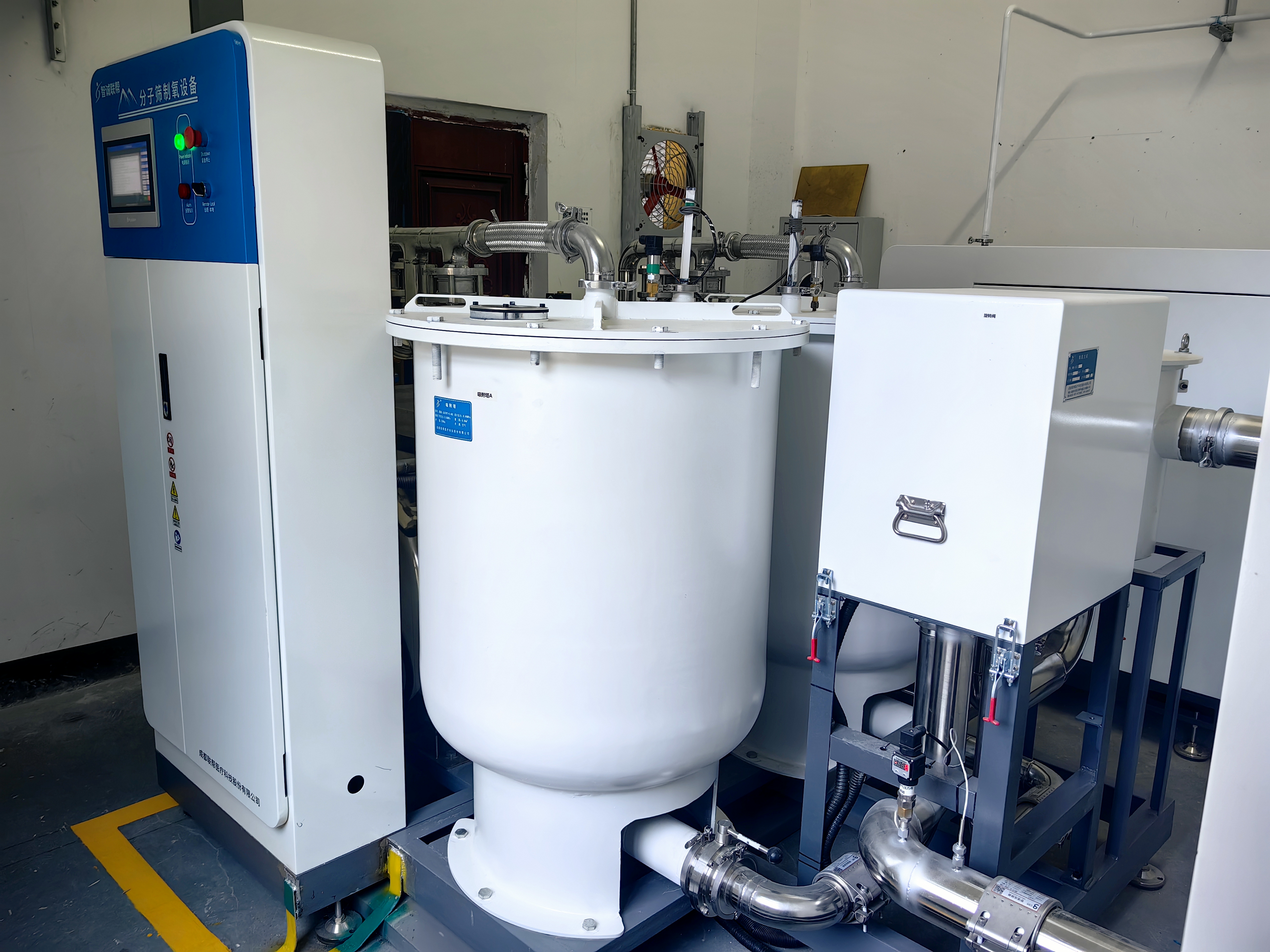
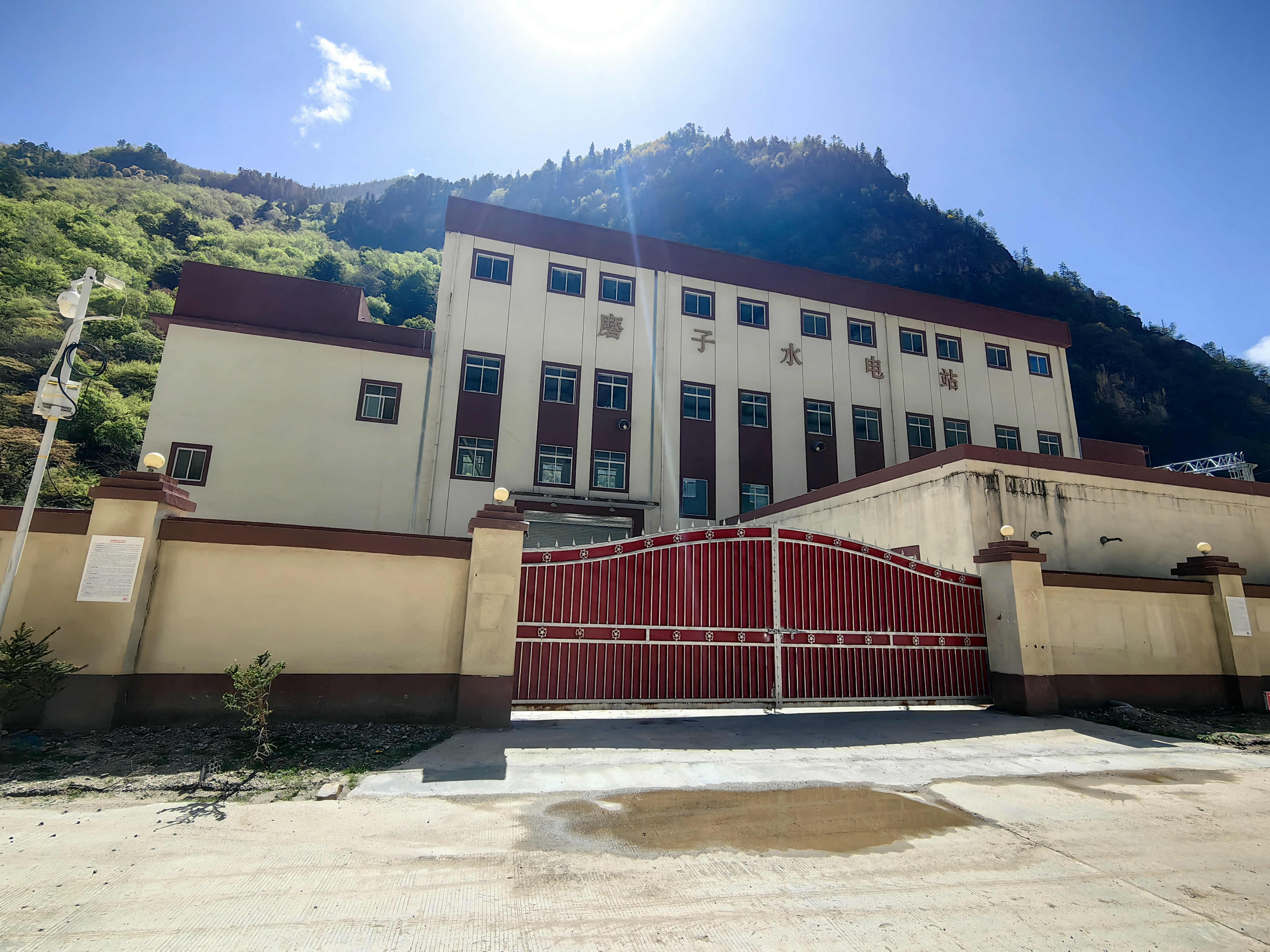
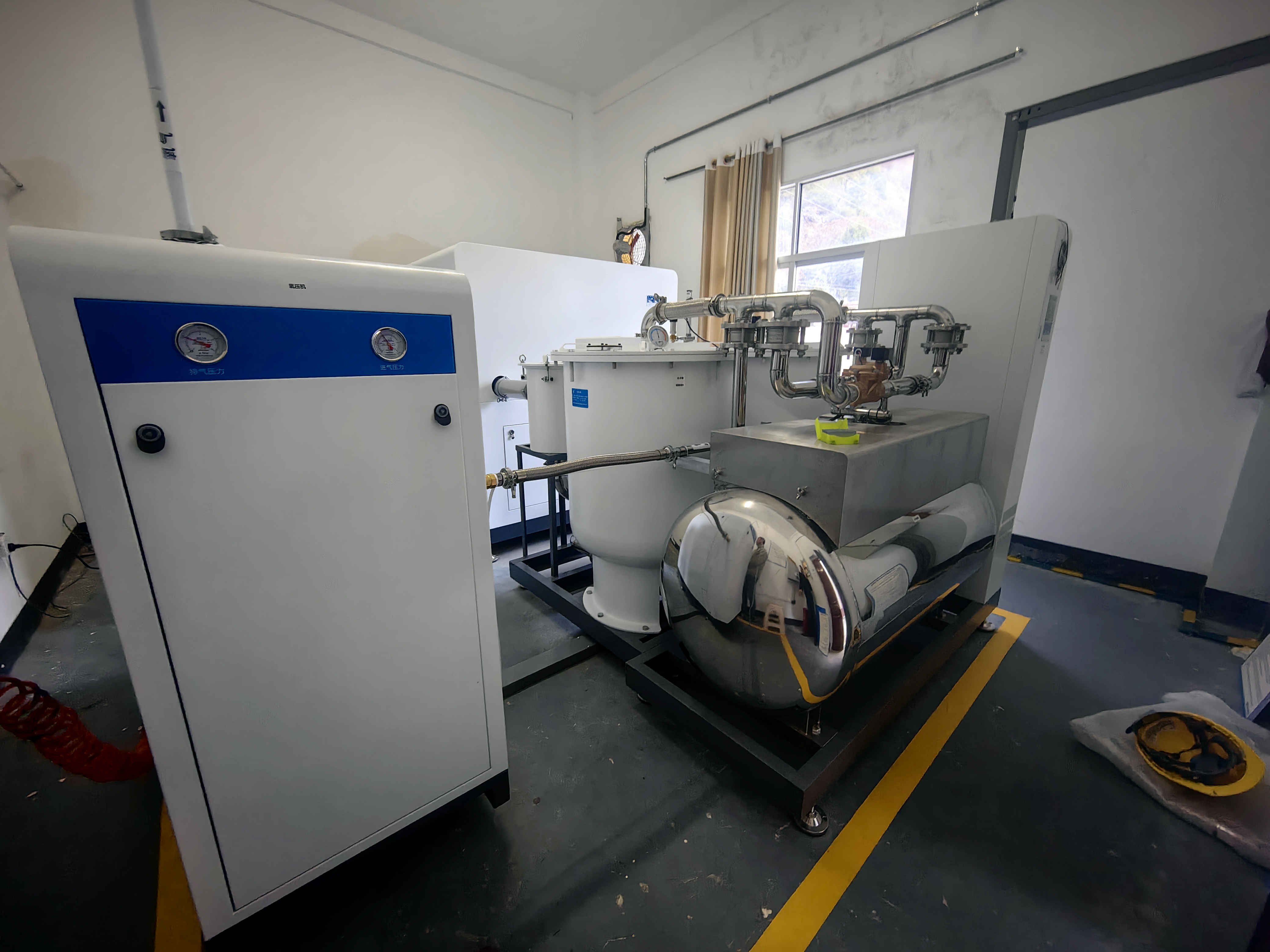
Project summary. Danba Jie’erme Hydropower Development Co., Ltd. commissioned an oxygen supply system for the staff dormitory at its Mozi Hydropower Station camp in Danba County, eastern Garzê Tibetan Autonomous Prefecture, Sichuan. The contract was signed on 25 June 2025 and covers one LBYL LB/ZY-30 medical oxygen generator, valued at RMB 790,329 (about USD 118,000 at the exchange rate prevailing in October 2026). The system was installed, commissioned and accepted on site.
The problem: altitude sickness starts at night
The camp sits at high altitude, and most of its office staff rotate in from lowland Sichuan and other inland provinces. For short-rotation personnel the first nights are the hardest: sleep breaks up, and the symptoms of acute mountain sickness surface fastest during rest.
That pattern is well documented. Published estimates place acute mountain sickness at 25–70% of unacclimatised high-altitude travellers depending on ascent profile, and nocturnal hypoxaemia — the drop in blood oxygen saturation during sleep — is one of its earliest and most common drivers. This is why Wilderness Medical Society clinical practice guidelines focus on the rate at which sleeping elevation increases, and why supporting oxygenation overnight addresses risk that daytime oxygen use alone does not.
The owner’s objective was therefore specific: not a general wellness amenity, but a health safeguard for inland staff whose first nights on site were the point of greatest risk.
What was specified
The chosen unit was a single LBYL LB/ZY-30 medical oxygen generator — a molecular sieve PSA unit rated at 30 L/min, delivering oxygen at 93%±3% v/v with an output pressure of 0.3–0.5 MPa, on a 220 V / 50 Hz supply with 3 kW connected power.
Two sizing decisions are worth noting for anyone planning a comparable camp.
Right-sizing to actual demand, not to headcount. The camp’s day-to-day occupancy is low, and continuous whole-building oxygen enrichment was not required. Demand peaks when visiting company leadership is on site — a group especially prone to altitude-related sleep problems because they arrive from lowland offices for short stays. Specifying one 30 L/min generator for terminal-based supply kept both capital and running cost proportionate to that real pattern, instead of building plant for a peak that rarely occurs.
Choosing a device that holds its output at altitude. This is where plateau projects diverge from lowland ones. Pressure swing adsorption depends on high-pressure adsorption, and PSA output falls as elevation rises. VSA/VPSA designs, which adsorb at low pressure and desorb under vacuum, hold performance at altitude. Buyers specifying for high-altitude sites should require the manufacturer to state derated output at the site’s actual elevation, not at factory reference conditions.
How the project ran
The route to contract mattered as much as the equipment. LBYL carried out a site survey before proposing anything, then arranged for the client to visit existing reference installations so performance could be judged first-hand rather than from a brochure. On that basis the team produced a design tailored to the camp and presented it — including the intended purpose and expected outcomes — to the client’s parent company.
The project was awarded through an invited tender. The client had also carried out its own market research, and LBYL supplied technical parameter references during preparation. The contract was awarded on technical merit against that independent benchmark.
For overseas buyers, the transferable point is that a plateau oxygen project is a design exercise before it is a purchase. Site survey, reference visits and a parent-company briefing all preceded commercial negotiation, and the client’s own market scan meant the specification was tested against alternatives rather than accepted on trust.
Commissioning and acceptance
During construction the system was installed to the approved drawings, with progress reported to the owner in real time and detail-level adjustments made to the owner’s requirements throughout. At acceptance, the owner’s staff carried out repeated hands-on oxygen trials; the equipment met the owner’s operating standard of full oxygen delivery with no recorded faults across those sessions, and the project passed acceptance and was signed off.
Why this pattern repeats
Two conclusions transfer to other remote and high-altitude projects.
First, the case for camp oxygen is health-driven and operational, not comfort-driven. Where staff rotate in from lowland sites for short assignments, the risk window concentrates in the first nights, and a correctly sized terminal supply addresses the highest-risk hours at a fraction of the cost of whole-facility enrichment.
Second, altitude changes the specification. Output derating, oil-free air handling to protect the molecular sieve, and service access in a remote location all carry more weight on a plateau site than at sea level. These are the questions that separate an operable high-altitude installation from one that underperforms after commissioning.
https://www.lbylmedical.com
Chengdu Lianbang Medical Technology Co., Ltd. -
AuthorPosts

- You must be logged in to reply to this topic.