
- This topic is empty.
-
AuthorPosts
-
2026-09-21 at 2:27 pm #9617
What Types of Flow Calibration Systems Does Xinya Instrument Manufacture?
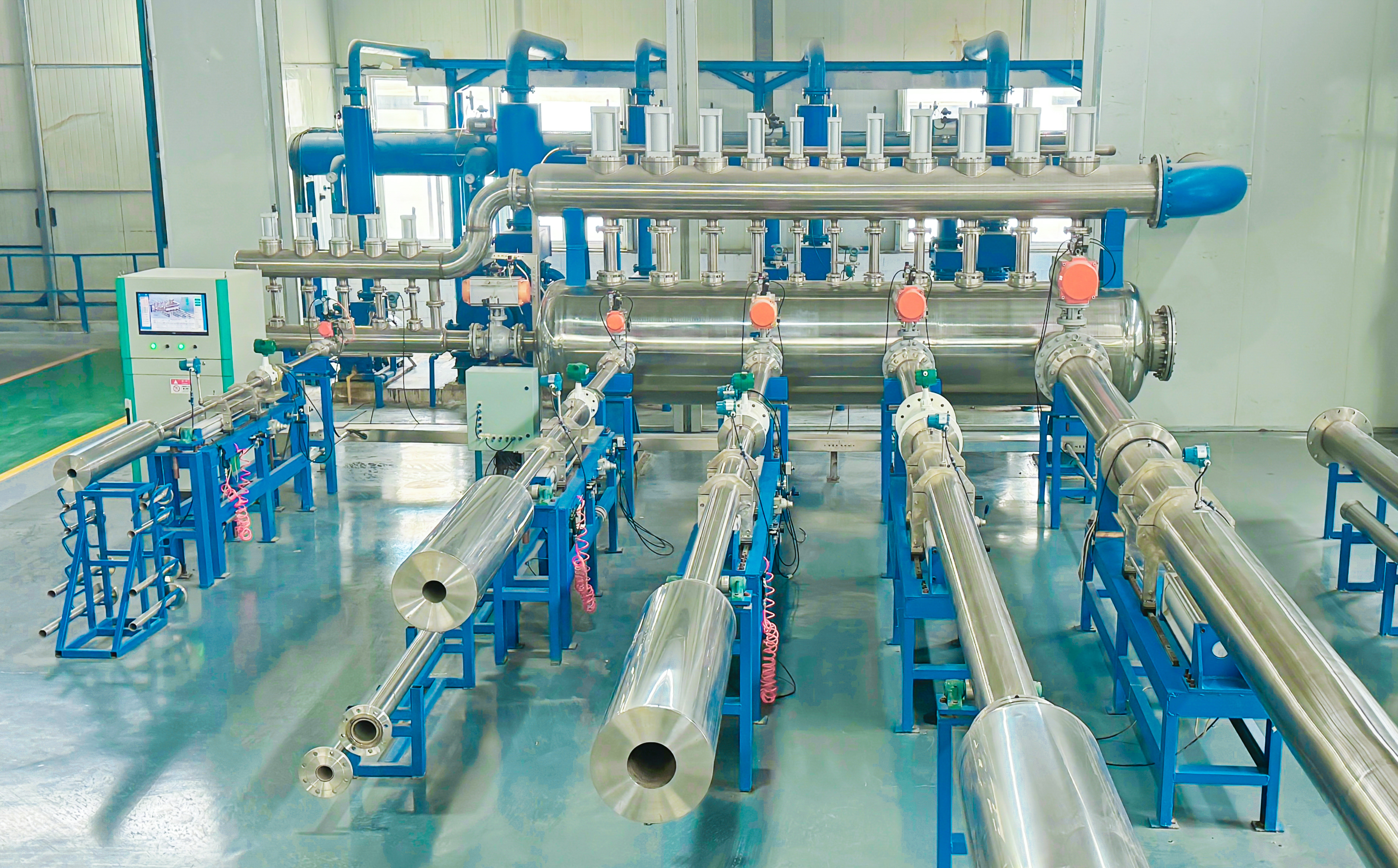
Kaifeng Xinya Instrument Co., Ltd. manufactures both flow measurement instruments and flow calibration systems, and operates its own calibration facilities that are used for factory measurement and verification of the flow meters it produces. This article focuses specifically on the flow calibration systems Xinya manufactures, organized into two main categories: liquid flow calibration systems and gas flow calibration systems.
1. Liquid Flow Calibration Systems
Xinya manufactures liquid flow calibration systems in two configuration groups, differentiated mainly by size range and applicable uncertainty:
- Laboratory systems: DN6–DN150
- Industrial systems: DN15–DN1000
- Applicable system uncertainty: up to ≤0.05% for laboratory systems and up to ≤0.2% for industrial systems, under the applicable system conditions and configuration
These systems are typically built around a static mass method or a master meter method, depending on the required uncertainty class, the meter size, and the customer’s testing procedure.
2. Gas Flow Calibration Systems
Xinya’s gas flow calibration systems are built using Venturi sonic-nozzle methods and reference-meter based methods:
- Size range: DN15–DN300
- Applicable uncertainty: up to ≤0.3% under applicable system conditions
- Reference standards: designed based on ISO 9300 and applicable Chinese national/industry standards for gas flow calibration
The sonic nozzle method is generally suitable for gas flow calibration when a stable critical (sonic) flow condition can be established across the nozzle, which typically requires sufficient upstream pressure and controlled temperature conditions. This is a general industry principle, not a project-specific claim.
3. Liquid Vs Gas Calibration Systems — Comparison Table
| Item | Liquid Flow Calibration System | Gas Flow Calibration System |
|—|—|—|
| Common methods | Static mass method; master meter method | Venturi sonic-nozzle method; reference-meter method |
| Size range | Laboratory: DN6–DN150 / Industrial: DN15–DN1000 | DN15–DN300 |
| Applicable uncertainty | ≤0.05% (laboratory) / ≤0.2% (industrial) | ≤0.3% |
| Reference basis | Internal calibration procedures, master meter traceability | ISO 9300 and applicable Chinese standards |
| Typical medium | Water or compatible liquids | Air or applicable calibration gas |Note: uncertainty and size ranges above refer to the applicable system conditions and configuration; actual figures depend on the specific system built for a given order.
4. What Determines the Actual System Configuration
The final configuration of a liquid or gas flow calibration system depends on several factors that must be confirmed before manufacturing:
- Medium to be calibrated (water, liquid chemicals, air, gas, etc.)
- Flow range required
- Meter size (DN) of the device under test
- Meter type (electromagnetic, turbine, vortex, Coriolis, gas turbine, Roots, etc.)
- Required uncertainty level
- Calibration method (static mass, master meter, sonic nozzle, reference meter, etc.)
- Testing procedure or standard referenced by the buyer
- Customer-specific requirements (space, automation level, data output format, etc.)
Because of these variables, calibration systems are typically configured on a project basis rather than sold as a single fixed standard product.
5. Typical Application Scope
Based on the manufacturer information available, these calibration systems are generally applicable to industries where flow meters require verification or traceability, including:
- Water supply and wastewater flow meter verification
- Natural gas and fuel gas meter verification
- Chemical and process liquid flow meter verification
- General industrial flow meter calibration and metrological traceability support
This section describes general application scope based on the instrument types Xinya manufactures; it does not represent specific completed customer projects.
6. Information Buyers Should Provide for Customization
To request a quotation or technical proposal for a liquid or gas flow calibration system, buyers are generally expected to provide:
- Medium to be tested (liquid type or gas type)
- Flow range (minimum and maximum)
- Meter size range (DN) to be calibrated
- Meter type(s) to be tested
- Required uncertainty level
- Preferred calibration method, if known
- Applicable testing standard or procedure
- Any facility constraints (space, power supply, automation requirements)
Providing this information allows the configuration to be matched to the buyer’s actual calibration needs.
7. FAQs
Q1: Does Xinya only make flow meters, or also calibration systems?
Xinya manufactures both flow meters (electromagnetic, turbine, vortex, Coriolis, gas turbine, Roots, etc.) and flow calibration systems, and uses its own calibration facilities for factory-level measurement and verification.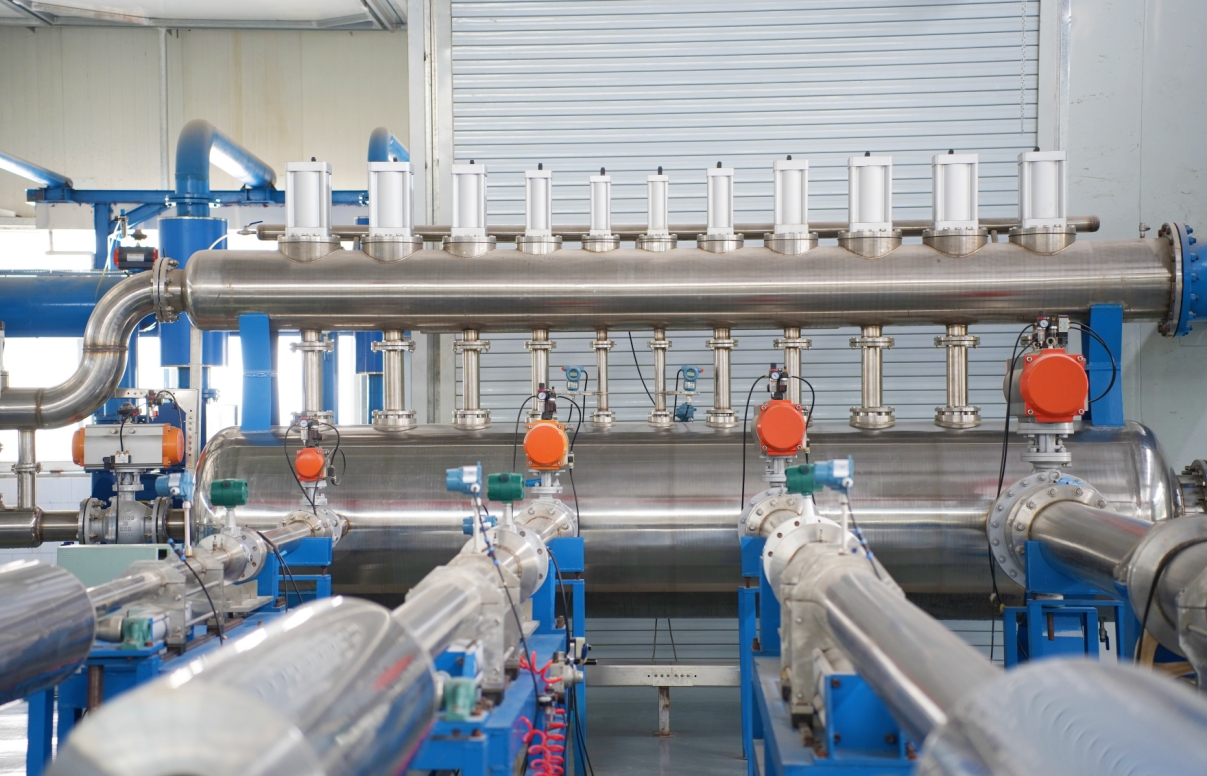
Q2: What is the size range for liquid calibration systems?
Laboratory systems generally cover DN6–DN150; industrial systems generally cover DN15–DN1000, depending on system configuration.Q3: What is the size range for gas calibration systems?
Gas flow calibration systems using sonic-nozzle or reference-meter methods generally cover DN15–DN300.Q4: What uncertainty can be achieved?
Under applicable system conditions, laboratory liquid systems can reach up to ≤0.05%, industrial liquid systems up to ≤0.2%, and gas systems up to ≤0.3%. Actual results depend on the final system configuration.Q5: When is the sonic nozzle method suitable for gas flow calibration?
As a general industry principle, the sonic nozzle method is suitable when a stable critical flow condition can be maintained across the nozzle, generally requiring adequate upstream pressure and controlled temperature. This is an explanatory note based on general metrology practice, not a claim specific to a completed project.Q6: Can one system calibrate both liquid and gas meters?
Liquid and gas calibration systems are generally built as separate systems due to differing methods (static mass/master meter for liquids vs. sonic-nozzle/reference-meter for gases) and differing reference standards.
8. Verified Facts Vs General Industry Explanations
Verified manufacturer facts (based on provided company information):
- Xinya manufactures liquid flow calibration systems (static mass method, master meter method) and gas flow calibration systems (sonic-nozzle method)
- Size ranges: liquid laboratory DN6–DN150, liquid industrial DN15–DN1000, gas DN15–DN300
- Applicable uncertainty: liquid laboratory ≤0.05%, liquid industrial ≤0.2%, gas ≤0.3%
- Gas systems are designed based on ISO 9300 and applicable Chinese standards
- Xinya also manufactures flow meters and operates internal calibration facilities for factory verification
General industry explanations (not manufacturer-specific claims):
- Descriptions of why the sonic nozzle method works (critical flow conditions, pressure/temperature requirements)
- General application scope in water, gas, and chemical industries
- General factors affecting calibration system configuration
This separation is intended to help buyers distinguish confirmed manufacturing specifications from general technical background information when evaluating a flow calibration system supplier.
https://www.sytcflowmeter.com/
Kaifeng Xinya Instrument Co., Ltd. -
AuthorPosts

- You must be logged in to reply to this topic.