
- This topic is empty.
-
AuthorPosts
-
2026-07-27 at 3:30 pm #8580
Introduction
Unmanned aerial vehicles (UAVs) have become essential tools across multiple industries, including precision agriculture, infrastructure inspection, surveying, and geographic mapping. Unlike consumer drones designed for recreational use, professional UAV platforms must operate under demanding conditions where flight stability, endurance, payload capacity, and reliability directly affect mission success.
One of the most important components influencing UAV performance is the electronic speed controller (ESC). The drone electronic speed controller acts as the communication bridge between the flight controller and brushless motors, regulating motor speed, controlling power output, and ensuring smooth response during flight operations. For agricultural drones carrying spraying systems, inspection drones equipped with cameras and sensors, and mapping drones requiring stable positioning, choosing the right ESC is critical.
A suitable ESC can improve energy efficiency, enhance flight stability, reduce maintenance requirements, and extend the operational lifespan of a UAV system. However, selecting the right ESC requires more than simply matching voltage and current ratings. Engineers and UAV manufacturers need to consider application requirements, environmental conditions, motor compatibility, thermal management, and long-term reliability.
This article explains the key factors to consider when selecting a drone ESC for agriculture, inspection, and mapping applications.
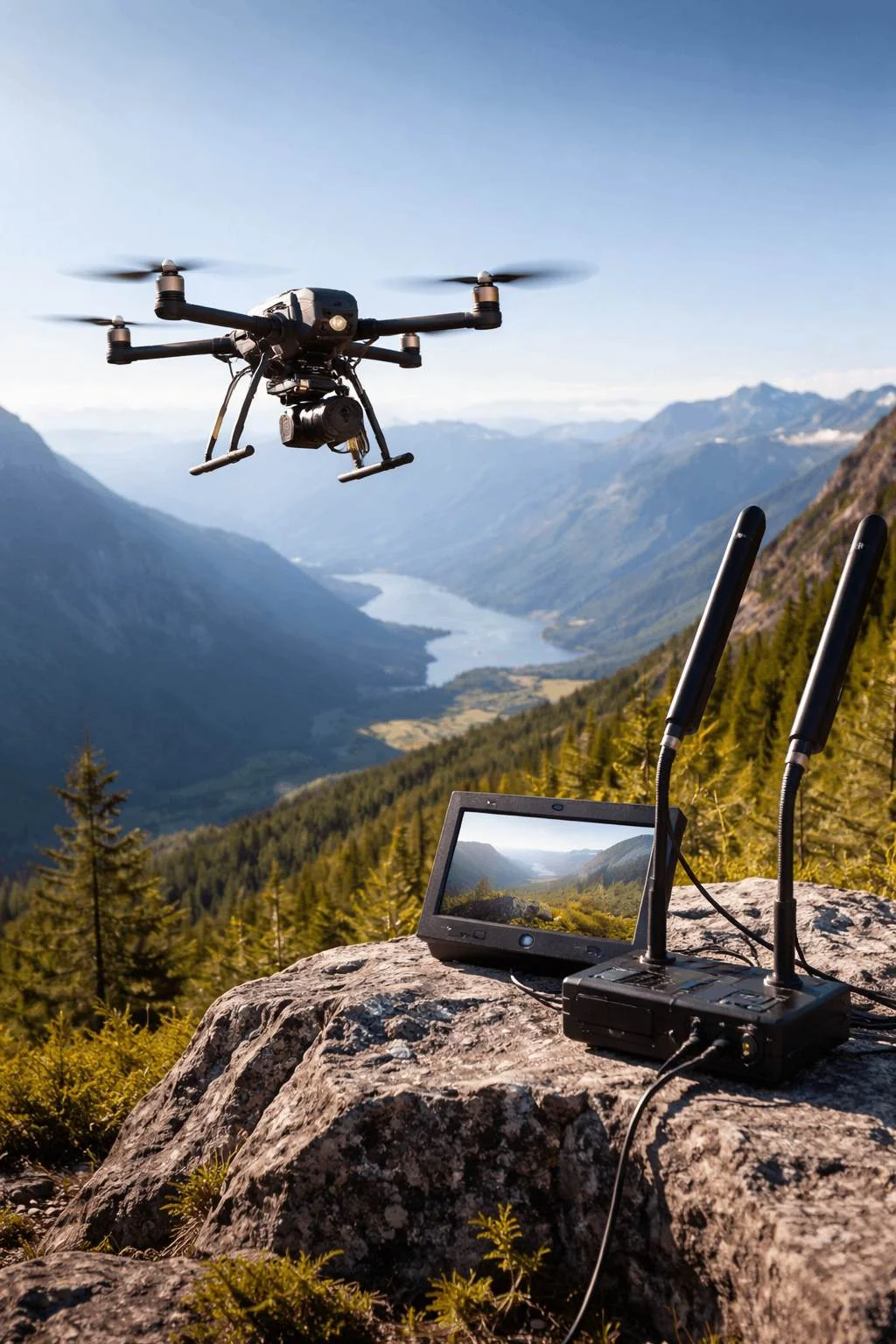
Understanding the Role of a Drone ESC in Professional UAV Systems
A drone electronic speed controller is responsible for controlling the rotation speed and torque of brushless motors. When the flight controller sends commands based on pilot input or autonomous navigation data, the ESC converts these signals into precise electrical outputs that regulate motor operation.
In professional UAV applications, the ESC does much more than basic motor control. Advanced electronic speed controllers provide:
-
Accurate motor response for stable flight control
-
Efficient power conversion to extend flight time
-
Protection against overcurrent, overheating, and voltage fluctuations
-
Smooth acceleration and deceleration
-
Communication with flight control systems through protocols such as PWM, DShot, CAN, or UART
For commercial drones, these functions directly impact operational efficiency. A low-quality ESC may cause unstable flight, unexpected shutdowns, excessive heat generation, or reduced battery performance. In contrast, a high-performance drone ESC helps maintain consistent operation even during complex missions.
Selecting a Drone ESC for Agricultural Drones
Agricultural drones represent one of the most demanding UAV applications. These drones often carry heavy payloads, operate for extended periods, and work in challenging outdoor environments. Whether used for crop spraying, fertilization, or field monitoring, agricultural UAVs require powerful and reliable propulsion systems.
High Current Capacity for Heavy Payload Operations
One of the most important considerations for agricultural drones is current capacity. Spraying drones often carry several liters of liquid payload, significantly increasing the overall aircraft weight.
When the UAV takes off, climbs, or operates against wind conditions, the motors require higher power output. The ESC must handle these current demands without overheating or experiencing performance limitations.
When selecting an ESC for agricultural applications, manufacturers should evaluate:
-
Continuous current rating
-
Peak current capability
-
Battery voltage compatibility
-
Motor power requirements
-
Operating temperature range
Choosing an ESC with insufficient current capacity can lead to overheating, reduced efficiency, and possible component failure.
Thermal Management in Outdoor Environments
Agricultural drones frequently operate under direct sunlight and high-temperature conditions. During long spraying missions, the ESC generates significant heat due to continuous electrical load.
Effective thermal management is therefore essential. A professional drone ESC may include:
-
Aluminum heat sinks
-
Optimized PCB layouts
-
High-efficiency MOSFET components
-
Improved airflow designs
-
Temperature monitoring systems
A well-designed cooling system helps maintain stable performance and prevents thermal shutdown during critical operations.
Waterproof and Dust-Resistant Design
Agricultural drones often encounter moisture, chemicals, dust, and plant debris. Standard electronic components may not withstand these conditions.
For spraying applications, a reliable drone ESC should provide protection against:
-
Water exposure
-
Chemical contamination
-
Dust accumulation
-
Outdoor temperature fluctuations
A protective coating or sealed housing design can significantly improve ESC durability in agricultural environments.
Choosing a Drone ESC for Inspection Applications
Inspection drones are widely used for examining power lines, pipelines, bridges, buildings, wind turbines, and industrial facilities. Unlike agricultural drones, inspection UAVs typically prioritize precision, stability, and sensor performance.
Stable Motor Control for Accurate Data Collection
Inspection missions often require the drone to hover in specific positions while capturing high-resolution images or sensor data. Even small flight fluctuations can affect inspection quality.
A high-quality electronic speed controller provides:
-
Fast response to flight commands
-
Smooth motor adjustments
-
Precise speed control
-
Reduced vibration during operation
Stable motor control helps maintain camera positioning and improves the accuracy of collected inspection data.
Compatibility with Advanced Flight Controllers
Professional inspection drones commonly use advanced autopilot systems with autonomous navigation capabilities. Therefore, ESC communication compatibility is an important factor.
Modern drone ESC systems may support communication protocols that enable:
-
Real-time motor feedback
-
Performance monitoring
-
Fault detection
-
Intelligent power management
For industrial inspection platforms, ESCs that integrate smoothly with flight controllers can simplify system development and improve operational reliability.
Reliability During Long-Duration Missions
Inspection drones may need to operate in remote locations where maintenance opportunities are limited. For example, a pipeline inspection mission may cover large distances, while infrastructure inspections may require repeated flights.
A dependable ESC should provide:
-
Stable electrical performance
-
Protection against abnormal current conditions
-
Long service life
-
Consistent performance under repeated operation
For commercial UAV operators, reliability is often more important than the initial component cost.
Selecting a Drone ESC for Mapping Applications
Mapping drones are designed to collect accurate geographic information using cameras, LiDAR sensors, multispectral equipment, or other payload systems. These applications require exceptional flight stability and precise positioning.
Efficiency for Extended Flight Time
Mapping missions often involve covering large areas with predefined flight paths. Longer flight time allows drones to collect more data per mission and reduces the number of battery changes.
An efficient drone electronic speed controller helps improve endurance by reducing energy loss during motor operation.
Important efficiency factors include:
-
Low electrical resistance
-
Optimized switching performance
-
Accurate motor control algorithms
-
High conversion efficiency
A more efficient ESC allows mapping drones to maximize battery utilization and increase productivity.
Smooth Operation for High-Precision Mapping
During aerial mapping, vibration and sudden motor changes can negatively affect image quality and positioning accuracy.
A suitable ESC should provide smooth motor operation by offering:
-
Precise throttle response
-
Stable RPM control
-
Low electromagnetic interference
-
Consistent motor synchronization
These features help create a stable flight platform for professional mapping sensors.
Key Technical Factors When Selecting a Drone ESC
Regardless of application, several technical factors should always be evaluated before choosing an ESC.
Voltage and Current Compatibility
The ESC must match the UAV battery system and motor specifications. Using an ESC outside its recommended operating range may cause overheating or failure.
Engineers should confirm:
-
Battery voltage range
-
Motor voltage requirements
-
Maximum continuous current
-
Peak current demand
Proper matching ensures safe and efficient operation.
Motor Compatibility
The relationship between the motor and ESC directly affects UAV performance. Brushless motors require precise control signals from the ESC to achieve efficient operation.
Before selecting an ESC, manufacturers should evaluate:
-
Motor type
-
KV rating
-
Propeller size
-
Required RPM range
-
Expected flight performance
A well-matched motor and ESC combination improves efficiency and flight stability.
Protection Features
Professional UAV systems operate in unpredictable environments, making protection functions extremely valuable.
Common ESC protection features include:
-
Overcurrent protection
-
Overvoltage protection
-
Low-voltage protection
-
Over-temperature protection
-
Signal loss protection
These features reduce the risk of damage and improve system safety.
Why Choosing the Right Drone ESC Supplier Matters
For UAV manufacturers and system integrators, selecting the right ESC supplier is as important as selecting the correct specifications. A reliable supplier should provide not only quality components but also technical support during development.
Important supplier evaluation factors include:
-
Manufacturing experience
-
Product testing capabilities
-
Customization options
-
Quality control processes
-
Technical support services
OEM drone manufacturers often require customized electronic speed controller solutions based on different aircraft designs, payload requirements, and operating environments.
A professional supplier can help optimize ESC performance for specific applications, including agricultural spraying drones, industrial inspection UAVs, and precision mapping platforms.
Conclusion
Selecting the right drone ESC for agriculture, inspection, and mapping applications requires careful consideration of performance, reliability, compatibility, and environmental requirements. Although the ESC is a small component within a UAV system, its impact on flight efficiency, stability, and safety is significant.
Agricultural drones require high current capacity, strong thermal management, and environmental protection. Inspection drones depend on precise motor control, communication compatibility, and long-term reliability. Mapping drones need efficient power management and smooth operation to support accurate data collection.
For professional UAV manufacturers and operators, investing in a high-quality drone electronic speed controller can improve mission performance, reduce maintenance costs, and create more reliable drone systems. By evaluating technical specifications, application requirements, and supplier capabilities, businesses can select an ESC solution that meets the demands of modern commercial UAV operations.
http://www.pega-fly.com
pega-fly -
-
AuthorPosts

- You must be logged in to reply to this topic.