
- This topic is empty.
-
AuthorPosts
-
2026-06-15 at 2:00 pm #8059
Food safety systems are no longer optional in modern manufacturing—they are a core requirement for protecting consumers, meeting regulatory standards, and maintaining brand reputation. Among these systems, the food metal detector plays one of the most critical roles. It identifies and removes metallic contaminants from food products before they reach consumers.
One of the most common questions from food manufacturers is: How long is the lifespan of a food metal detector?
The answer is not fixed. A well-maintained food metal detector can last 8 to 15 years on average, and in some cases even longer. However, its actual lifespan depends on multiple technical, environmental, and operational factors.
This article provides a complete breakdown of how long food metal detectors last, what affects their durability, how to extend their service life, and when replacement becomes necessary.
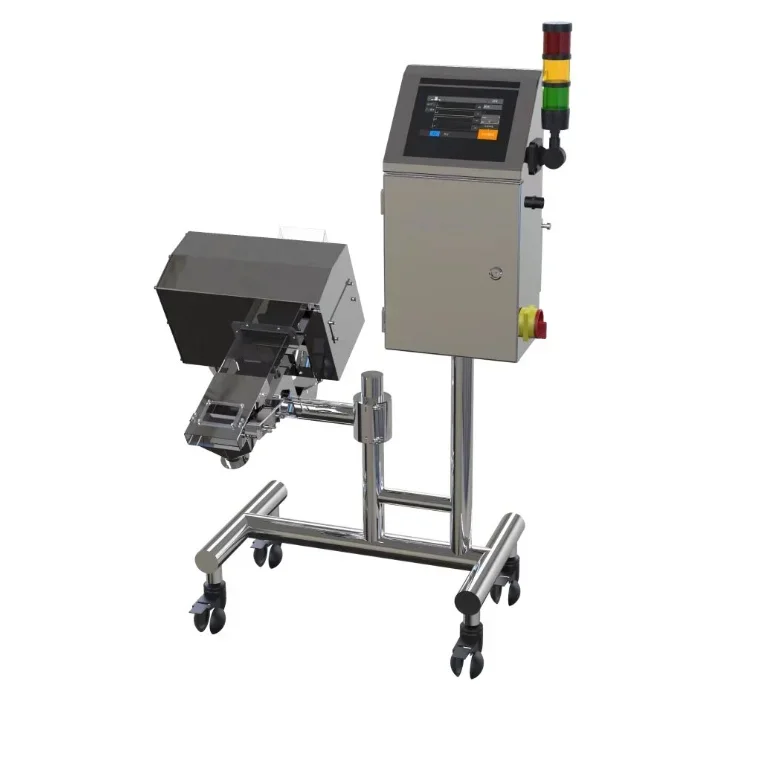
1. Typical Lifespan of a Food Metal Detector
In general, industrial-grade food metal detectors are designed for long-term continuous operation.
-
Standard lifespan: 8–15 years
-
High-quality premium systems: 12–20 years
-
Light-duty or budget models: 5–8 years
The lifespan depends not only on build quality but also on how the equipment is used in real production environments. In many food factories, metal detectors operate 24/7, which naturally accelerates wear and tear.
However, unlike mechanical machines with moving parts, food metal detectors are largely electronic systems. This means their lifespan is more related to electronic stability, sensor performance, and software support than physical degradation alone.
2. Key Factors That Affect Lifespan
2.1 Build Quality and Components
The most important factor is the quality of internal components. A food metal detector typically includes:
-
Detection coils
-
Control unit (CPU/system board)
-
Conveyor system (in integrated models)
-
Rejection mechanism
-
Shielding materials
High-quality industrial models use stable circuit boards, reinforced coil systems, and industrial-grade electronics, which significantly extend lifespan.
Low-cost machines often use cheaper components that degrade faster, especially under continuous production stress.
2.2 Operating Environment
The production environment has a huge impact on durability.
Harsh conditions include:
-
High humidity
-
Extreme temperature changes
-
High salinity (seafood processing)
-
Dust or flour-heavy environments (bakery production)
-
Chemical exposure (cleaning agents, disinfectants)
For example, in meat or seafood processing plants, moisture and salt can gradually affect electronic shielding if the system is not properly sealed.
Modern detectors often come with IP-rated protection (such as IP65 or higher) to resist environmental damage and extend service life.
2.3 Production Load and Usage Frequency
A detector running 24 hours per day will naturally wear faster than one used in single-shift operations.
Key usage factors include:
-
Conveyor speed
-
Product volume
-
Frequency of start/stop cycles
-
Type of products inspected
High-speed production lines require more frequent calibration and place more stress on detection accuracy systems.
2.4 Product Type Being Inspected
Food products themselves can affect machine longevity.
-
Dry products (snacks, cereals): Low impact
-
Wet products (meat, sauces): Medium impact
-
High-salt products: High interference risk
-
Frozen products: Temperature stress
Wet and high-salt products can create electromagnetic interference, forcing the detector to work harder and potentially affecting long-term stability.
2.5 Maintenance Practices
Maintenance is one of the most important factors influencing lifespan.
Well-maintained systems can easily last 5–10 years longer than poorly maintained ones.
Proper maintenance includes:
-
Regular calibration
-
Cleaning of conveyor and sensors
-
Software updates
-
Inspection of rejection system
-
Checking for loose wiring or corrosion
Neglecting maintenance can reduce a 15-year machine to less than 7 years of usable life.
2.6 Operator Skill Level
Even advanced systems depend on proper operation.
Common operator-related issues include:
-
Incorrect sensitivity settings
-
Poor calibration practices
-
Ignoring false alarms
-
Improper cleaning procedures
Training operators properly ensures the system remains stable and reduces unnecessary wear on components.
3. Signs That a Food Metal Detector Is Nearing End of Life
Even the best equipment eventually degrades. Recognizing early warning signs helps avoid production risks.
3.1 Frequent False Alarms
If the detector starts triggering frequent false positives, it may indicate:
-
Coil instability
-
Signal drift
-
Electrical noise interference
3.2 Reduced Sensitivity
If small metal contaminants are no longer reliably detected, the system may be losing calibration stability or sensor performance.
3.3 Inconsistent Detection Results
When results vary from batch to batch under the same settings, it suggests internal system instability.
3.4 Increased Downtime or Failures
Frequent system resets, software errors, or hardware malfunctions are strong signs of aging components.
3.5 Obsolete Technology
Even if the machine still works, it may become outdated due to:
-
Lack of HACCP compliance features
-
No data logging or traceability
-
Poor integration with modern production systems
-
Missing IoT or smart factory capabilities
At this stage, replacement may be more cost-effective than repair.
4. How to Extend the Lifespan of a Food Metal Detector
Extending service life is often more about operational discipline than hardware itself.
4.1 Perform Regular Calibration
Calibration ensures detection accuracy remains stable over time. Most factories perform calibration:
-
Daily (before production)
-
At each product change
-
After cleaning cycles
4.2 Keep Equipment Clean
Food environments are prone to residue buildup.
Regular cleaning prevents:
-
Sensor interference
-
Conveyor contamination
-
Mechanical wear on rejection systems
However, cleaning should follow manufacturer guidelines to avoid damaging sensitive components.
4.3 Control Environmental Conditions
Where possible:
-
Reduce humidity exposure
-
Maintain stable temperature
-
Use protective enclosures
-
Avoid direct water spray on electronic parts
4.4 Train Operators Properly
Well-trained staff reduce:
-
Misuse of sensitivity settings
-
Improper handling
-
Unnecessary system stress
4.5 Schedule Preventive Maintenance
Preventive maintenance should include:
-
Electrical inspection
-
Coil performance testing
-
Software diagnostics
-
Mechanical system checks
A preventive approach is far more cost-effective than emergency repairs.
4.6 Use Original Spare Parts
When replacements are needed, using original components ensures system compatibility and avoids long-term damage.
5. Repair vs Replacement: When Is It Time to Upgrade?
Food manufacturers often face a decision: repair the existing machine or invest in a new one?
Choose repair if:
-
The machine is under 8 years old
-
Issues are minor and infrequent
-
Spare parts are available
-
Detection accuracy is still stable
Consider replacement if:
-
The machine is over 10–12 years old
-
Repairs are frequent
-
Sensitivity cannot meet current standards
-
Compliance requirements have changed
-
Production efficiency is affected
In many cases, upgrading to a modern system provides better ROI due to improved accuracy, automation, and reduced false rejection rates.
6. Modern Food Metal Detectors and Longer Lifespan Trends
New-generation food metal detectors are designed for longer service life and smarter operation.
Key improvements include:
-
Digital signal processing (DSP) technology
-
Self-learning calibration systems
-
IoT-based monitoring
-
Improved waterproof and dustproof design
-
Stronger anti-interference capability
These advancements mean modern systems are not only more accurate but also more durable and easier to maintain, often exceeding 15 years of service life.
7. Conclusion
So, how long is the lifespan of a food metal detector?
The realistic answer is:
A well-maintained food metal detector typically lasts 8 to 15 years, and high-end systems can exceed 15–20 years depending on usage and environment.
However, lifespan is not just about time—it is about performance stability, detection accuracy, and compliance with modern food safety standards.
To maximize lifespan, manufacturers should focus on:
-
Proper maintenance
-
Regular calibration
-
Controlled operating conditions
-
Skilled operation
-
Timely upgrades when needed
A food metal detector is not just a piece of equipment—it is a critical food safety safeguard. Investing in quality and maintaining it properly ensures long-term protection for both consumers and brand reputation.
http://www.vixdetect.net
vixdetect -
-
AuthorPosts

- You must be logged in to reply to this topic.