
- This topic is empty.
-
AuthorPosts
-
2026-06-15 at 10:08 am #8046
Metal detection systems are widely used in industries such as food manufacturing, pharmaceuticals, plastics processing, chemicals, recycling, and advanced materials production. Their primary role is to identify metal contaminants, maintain product quality, and help manufacturers meet strict safety and regulatory requirements.
However, even high-quality equipment can fail to deliver optimal results if it is not installed, configured, or maintained correctly. In many cases, performance issues stem not from the detector itself, but from operational oversights that can easily be prevented.
Below are ten of the most common mistakes companies make when using industrial metal detectors, along with practical recommendations to improve reliability and efficiency.
1. Improper Sensitivity Configuration
One of the most common errors is selecting an unsuitable sensitivity level.
When sensitivity is set too low, small metal fragments may escape detection. Conversely, excessively high sensitivity often results in unnecessary product rejection and production interruptions caused by false alarms.
Recommended Practices
-
Adjust sensitivity according to product characteristics and package dimensions.
-
Verify performance regularly using certified test samples.
-
Reconfigure settings whenever product specifications change.
Achieving the right balance between detection capability and operational stability is essential for effective metal contamination control.
2. Underestimating Product Effect
Certain products naturally interfere with metal detection systems due to their electrical conductivity or moisture content. This phenomenon, commonly known as "product effect," can generate false signals or make actual contaminants more difficult to detect.
Products Commonly Affected
-
Fresh meat products
-
Dairy items
-
Mineral-rich powders and chemical materials
How to Address It
-
Utilize multi-frequency detection technologies.
-
Fine-tune phase and compensation settings.
-
Work with experienced system integrators to optimize performance.
Many manufacturers overcome product effect challenges through customized system design and application-specific calibration rather than relying solely on standard detector settings.
3. Choosing an Unsuitable Installation Location
Installation environment plays a significant role in overall detector performance.
External factors such as vibration, electromagnetic interference, and conveyor instability can reduce sensitivity and increase false rejection rates.
Common Installation Errors
-
Positioning detectors close to motors or electrical equipment.
-
Mounting systems on unstable structures.
-
Installing detectors after products have been packaged with metal-containing materials.
Best Installation Practices
-
Select a stable, low-interference location.
-
Apply shielding measures where interference cannot be avoided.
-
Maintain consistent product alignment through the inspection area.
A properly installed detector can often achieve significantly better results without requiring equipment upgrades.
4. Neglecting Routine Calibration
Like most precision inspection equipment, metal detectors require periodic calibration to maintain accuracy.
Environmental conditions, mechanical wear, and operational changes can gradually affect system performance over time.
Calibration Recommendations
-
Establish a regular testing schedule.
-
Use ferrous, non-ferrous, and stainless-steel test pieces.
-
Maintain detailed calibration records.
Routine verification helps ensure consistent detection performance and regulatory compliance.
5. Ignoring Conveyor Speed Effects
Detection capability is closely linked to product speed.
As conveyor speeds increase, the detector has less time to identify contaminants, potentially reducing sensitivity.
Common Scenario
Production throughput is increased, but detector parameters remain unchanged.
Improvement Measures
-
Synchronize detector settings with conveyor speed.
-
Validate performance under maximum operating conditions.
-
Consider high-speed detection systems for demanding production environments.
Proper speed management helps maintain inspection accuracy even on fast-moving production lines.
6. Insufficient Operator Training
Advanced technology alone cannot guarantee successful contamination control. Operators must understand how to use the equipment correctly.
Frequent Training-Related Issues
-
Incorrect product changeover procedures.
-
Failure to respond appropriately to alarms.
-
Improper handling of rejected products.
Training Recommendations
-
Develop standardized operating procedures (SOPs).
-
Conduct structured onboarding programs.
-
Schedule regular refresher training sessions.
Well-trained personnel contribute significantly to consistent inspection results and reduced production errors.
7. Lack of Preventive Maintenance
Many facilities treat metal detectors as maintenance-free equipment until a problem occurs.
Over time, dust accumulation, vibration, temperature changes, and component wear can negatively affect performance.
Preventive Maintenance Checklist
-
Clean detector and conveyor components regularly.
-
Inspect electrical connections and wiring.
-
Replace worn parts before failure occurs.
A proactive maintenance strategy reduces downtime and extends equipment lifespan.
8. Selecting the Wrong Detector Type
Different applications require different detection technologies.
Using an unsuitable detector can lead to poor contamination detection, increased costs, and unnecessary operational complications.
Typical Application Mismatches
-
Standard detectors used with high-moisture products.
-
Conveyor systems selected where pipeline inspection is more appropriate.
-
Failure to consider industry-specific compliance requirements.
Better Selection Process
-
Evaluate product characteristics carefully.
-
Consider environmental and production conditions.
-
Explore customized solutions when standard equipment is insufficient.
Application-focused system selection typically delivers better long-term results than choosing equipment based solely on initial cost.
9. Poor Integration with Production Processes
A metal detector should function as part of a complete production system rather than as a standalone device.
Without proper integration, valuable opportunities for automation and process optimization may be lost.
Common Integration Gaps
-
No automatic rejection mechanism.
-
Limited data collection and reporting capabilities.
-
Poor coordination with upstream and downstream equipment.
Optimization Strategies
-
Integrate automated reject devices.
-
Connect inspection data to monitoring platforms.
-
Utilize collected data for quality improvement and traceability.
Digital integration is becoming increasingly important in modern manufacturing environments.
10. Incomplete Compliance Documentation
For industries such as food processing, pharmaceuticals, chemicals, and advanced materials, documentation is just as important as equipment performance.
Missing records can create regulatory challenges even when inspection systems are functioning correctly.
Essential Records to Maintain
-
Calibration certificates and logs.
-
Performance testing results.
-
Maintenance records.
-
Employee training documentation.
Comprehensive documentation supports audits, compliance efforts, and continuous improvement initiatives.
Choosing the Right Metal Detection Solution
Organizations considering new inspection equipment or system upgrades should carefully evaluate available technologies and application requirements.
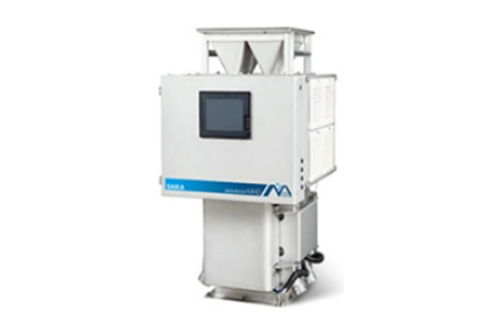
For example, reviewing different types of industrial metal detector systems can provide valuable insight into which configuration best matches specific production environments and contamination risks.
Looking Beyond the Equipment
Maximizing the effectiveness of a metal detection system involves more than selecting the right machine. Success depends on viewing contamination control as part of a broader manufacturing strategy.
By combining equipment selection, process optimization, automation, and digital monitoring, businesses can achieve:
-
Improved operational efficiency
-
Reduced product waste
-
Enhanced product safety
-
Better quality consistency
-
Greater support for sustainability initiatives
As industries continue moving toward intelligent manufacturing and environmentally responsible production, integrated inspection solutions are becoming increasingly important.
Conclusion
Industrial metal detectors remain a critical component of quality assurance and product safety programs. However, achieving reliable performance requires more than simply installing the equipment.
By avoiding common issues such as incorrect sensitivity settings, inadequate calibration, poor installation practices, insufficient training, and weak maintenance programs, manufacturers can significantly improve detection accuracy and operational efficiency.
Ultimately, organizations that treat metal detection as part of a comprehensive production management strategy are better positioned to reduce risk, improve product quality, and support long-term business growth.
http://www.beyitech.com
Being (Shanghai) Intelligent Technology Co., Ltd. -
-
AuthorPosts

- You must be logged in to reply to this topic.