
- This topic is empty.
-
AuthorPosts
-
2026-06-03 at 4:39 pm #7819
As people age, one of the most common daily frustrations is difficulty hearing TV dialogue clearly. Even when the volume is turned up, speech can still sound muffled or unclear. This often leads to discomfort for both the viewer and others in the room.
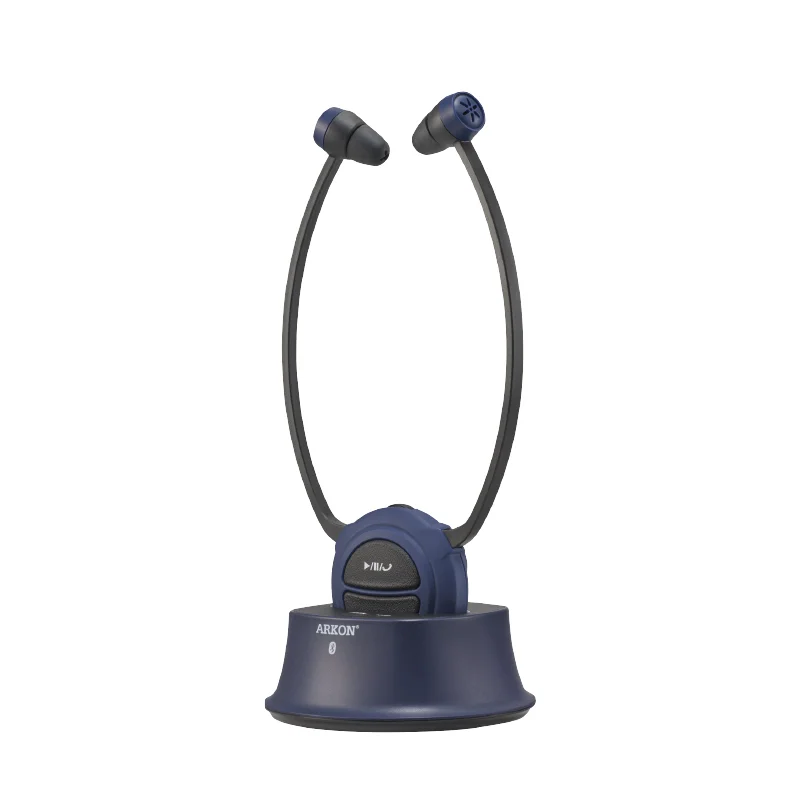
That’s why Bluetooth headsets for seniors designed for TV listening have become increasingly popular. However, not all headsets truly improve the experience. The real value comes from understanding what features actually matter for clearer, more comfortable TV audio.
This article explains what seniors should look for in a TV headset and how to choose a solution that genuinely improves listening quality.
Why Standard TV Audio Is Not Enough for Seniors
Most modern TVs are designed for general audiences, not for people with hearing challenges. Even high-end TV speakers struggle with:
-
Weak dialogue clarity
-
Background noise overpowering speech
-
Inconsistent volume between scenes
-
Limited sound directionality
For seniors, this results in constantly adjusting the volume and still missing important parts of conversations.
Bluetooth headsets help solve this problem by delivering direct, personalized audio to the listener, reducing distractions and improving clarity.
What Actually Improves TV Listening for Seniors
Not all Bluetooth headsets provide the same experience. The difference lies in specific technical and usability features that directly affect TV listening quality.
1. Voice Clarity Enhancement (Most Important Feature)
The most critical factor is speech clarity technology. Standard headphones amplify all sounds equally, including background music and effects.
Better TV listening headsets include voice-enhancing processing that:
-
Separates dialogue from background noise
-
Boosts speech frequencies
-
Reduces distortion during loud scenes
This allows seniors to follow conversations without increasing overall volume.
2. Low-Latency Audio (Avoid Lip-Sync Delay)
One of the most common issues with Bluetooth TV listening is audio delay.
If the sound arrives even slightly later than the picture, it causes lip-sync mismatch, making viewing uncomfortable.
To avoid this, look for:
-
Bluetooth Low Latency (aptX-LL or similar)
-
Dedicated 2.4GHz wireless systems (even better for TV use)
-
RF-based TV headset systems (most stable option)
These technologies ensure that sound matches the video in real time.
3. Ease of Use and Simple Setup
For seniors, complicated pairing processes are a major barrier.
The best TV listening solutions offer:
-
Plug-and-play transmitter units
-
Automatic reconnection
-
Simple on/off controls
-
Charging docks instead of cables
A system that works instantly without technical steps significantly improves daily usability.
4. Comfort for Long Viewing Sessions
Seniors often watch TV for extended periods, so comfort is essential.
Look for:
-
Lightweight over-ear or under-chin designs
-
Soft ear padding
-
Adjustable headbands
-
Pressure-free fit for glasses wearers
Comfort directly affects whether the headset will be used consistently.
5. Stable Wireless Connection
Bluetooth is convenient, but not always the most stable option for TV use.
Better alternatives include:
-
RF (Radio Frequency) systems – strong range, no lag
-
2.4GHz dedicated wireless systems – stable and fast
-
Hybrid Bluetooth transmitters – flexible for modern TVs
These systems reduce dropouts and improve listening reliability.
Why Bluetooth Headsets Alone Are Not Always Enough
While Bluetooth headsets are widely available, they are primarily designed for phones and music—not TV dialogue.
Common limitations include:
-
Noticeable audio delay
-
Inconsistent volume control
-
Limited speech enhancement features
-
Pairing complexity for non-technical users
This is why many seniors benefit more from TV-specific wireless headset systems rather than general Bluetooth headphones.
Key Features That Truly Improve TV Listening
To summarize, the most important features that actually improve TV listening for seniors are:
-
Clear voice enhancement technology
-
Low-latency or RF wireless transmission
-
Simple plug-and-play setup
-
Comfortable long-wear design
-
Stable and consistent connection
These factors matter far more than brand name or maximum volume.
Final Thoughts
Choosing the right Bluetooth headset for seniors is not just about wireless convenience—it’s about clarity, comfort, and simplicity.
The best TV listening experience comes from systems designed specifically for speech enhancement and low-latency audio, not just standard Bluetooth headphones.
When these features are combined, seniors can enjoy television again without constantly adjusting volume or missing dialogue, creating a much more comfortable and enjoyable viewing experience.
http://www.arkon.com.hk
ARKON -
-
AuthorPosts

- You must be logged in to reply to this topic.