
- This topic is empty.
-
AuthorPosts
-
2026-06-01 at 4:17 pm #7779
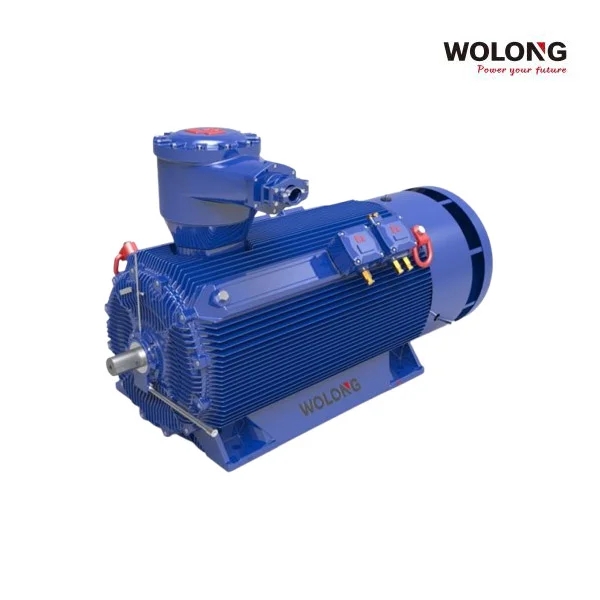
Three-phase asynchronous motors are among the most widely utilized power equipment in modern industries. They are extensively applied in manufacturing plants, HVAC installations, water treatment systems, industrial machinery, and power transmission networks. Thanks to their simple construction, dependable operation, and relatively low maintenance requirements, these motors are well suited for continuous industrial service.
Despite their proven reliability, operational failures can still occur due to electrical abnormalities, mechanical deterioration, improper installation, or insufficient maintenance. Understanding common fault symptoms and adopting a systematic troubleshooting approach can help minimize downtime, improve equipment reliability, and maintain production efficiency.
Importance of Effective Motor Troubleshooting
In industrial environments, diagnosing motor problems involves more than simply identifying a fault. Maintenance personnel must accurately determine the root cause, implement corrective actions quickly, and restore equipment operation with minimal impact on production schedules.
Shanghai Juyue Energy Engineering Co., Ltd. provides comprehensive industrial engineering services, including technical consulting, engineering contracting, and integrated electromechanical solutions. Through its customer-focused approach, the company assists clients in enhancing equipment performance, system stability, and operational efficiency by combining proper system design with effective maintenance practices.
Among the many components involved in industrial power systems, three-phase asynchronous motors remain a key focus due to their widespread use and critical operational role.
1. Motor Cannot Start
Failure to start is one of the most frequently encountered motor issues. In most cases, the cause can be traced to electrical supply faults, control circuit problems, or mechanical resistance.
Electrical-related causes often include phase loss, blown fuses, defective contactors, damaged cables, or loose terminal connections. Since a three-phase motor requires balanced voltage across all phases to generate starting torque, any interruption can prevent startup.
Mechanical causes may involve seized bearings, rotor obstruction, or excessive load from driven equipment. Disconnecting the motor from the load and performing a no-load test is often an effective way to determine whether the fault originates from the motor itself or the connected machinery.
2. Excessive Motor Heating
Overheating is a major concern because elevated temperatures accelerate insulation aging and reduce overall motor lifespan.
Several factors may contribute to abnormal temperature rise:
-
Continuous operation under overload conditions
-
Restricted airflow caused by blocked cooling systems
-
Dust accumulation inside the motor housing
-
Supply voltage imbalance
When operating current exceeds rated values, copper losses increase significantly, resulting in additional heat generation. Likewise, inadequate cooling prevents efficient heat dissipation.
Voltage imbalance is particularly harmful because even minor differences between phases can create unequal current flow and localized hot spots within the stator windings.
To prevent thermal damage, many industrial facilities routinely monitor motor temperatures and currents. Infrared thermal imaging is also commonly used to identify abnormal heating patterns before major failures develop.
3. Abnormal Noise and Vibration
Unexpected vibration and unusual noise often provide early warning signs of motor deterioration.
Typical causes include:
-
Shaft misalignment
-
Rotor imbalance
-
Bearing wear
-
Mechanical looseness
-
Stator or rotor electrical faults
Gradually increasing vibration levels frequently indicate bearing degradation caused by inadequate lubrication or contamination. Sudden vibration changes, however, may suggest alignment problems or rotor damage.
Electrical faults can also produce unusual sounds due to uneven magnetic forces inside the motor.
To accurately determine the source of vibration, maintenance teams often combine vibration analysis with motor current signature analysis. This approach helps distinguish between electrical and mechanical causes.
4. Uneven Phase Current
Current imbalance negatively affects both motor efficiency and operational reliability. Common causes include:
-
Unequal supply voltages
-
Poor electrical connections
-
Damaged conductors
-
Partial winding faults
When one phase carries significantly more current than the others, localized overheating develops within the affected winding section. Over time, insulation deterioration can lead to winding failure and short circuits.
Regular electrical inspections using clamp meters, power analyzers, or online monitoring systems can help identify current imbalance before severe damage occurs.
5. Insulation Deterioration
Insulation failure is one of the most serious motor faults because it directly impacts electrical safety and equipment reliability.
The primary causes include:
-
Long-term overheating
-
Moisture penetration
-
Chemical contamination
-
Dust accumulation
Harsh industrial environments can accelerate insulation degradation, reducing resistance values and increasing leakage current risks.
Routine insulation resistance testing with a megohmmeter is an important preventive maintenance practice. Depending on the severity of deterioration, corrective measures may include drying procedures, insulation treatment, rewinding, or complete motor replacement.
6. Bearing Failure
Bearings play a critical role in maintaining stable motor operation. Their condition directly influences vibration levels, energy efficiency, and equipment longevity.
Common causes of bearing failure include:
-
Insufficient lubrication
-
Misalignment
-
Contamination
-
Excessive mechanical load
Early warning signs typically include increased noise, elevated vibration, and localized temperature rise around the bearing housing.
If bearing defects are ignored, secondary damage to the rotor and shaft may occur, potentially resulting in complete motor failure. Implementing proper lubrication schedules and condition-monitoring programs can significantly reduce bearing-related breakdowns.
7. Voltage Variations and Power Quality Problems
Reliable voltage supply is essential for maintaining stable motor performance.
Power quality issues such as voltage fluctuations, harmonic distortion, and transient disturbances can lead to:
-
Reduced efficiency
-
Torque instability
-
Excessive heating
-
Increased mechanical stress
Industrial facilities often experience such issues due to large inductive loads or unstable utility supply conditions.
Solutions may include installing voltage regulation equipment, harmonic filters, and power quality monitoring systems to maintain consistent operating conditions.
8. Structured Diagnostic Procedures
Successful troubleshooting requires a systematic process rather than isolated inspections.
A typical industrial diagnostic workflow includes:
-
Visual examination of cables, terminals, and motor condition
-
Measurement of voltage, current, and insulation resistance
-
Inspection of bearings, alignment, and load conditions
-
Vibration monitoring and thermal analysis
-
Controlled operational testing under load
By following a structured approach, maintenance personnel can shorten troubleshooting time, improve diagnostic accuracy, and avoid unnecessary component replacement.
Shanghai Juyue Energy Engineering Co., Ltd. supports industrial customers by combining engineering expertise with practical system-level troubleshooting solutions. Proper equipment selection, installation, and maintenance planning help reduce operational risks and improve long-term reliability.
9. Preventive Maintenance Best Practices
Preventive maintenance remains the most effective strategy for minimizing motor failures and extending service life.
A comprehensive maintenance program should include:
-
Scheduled inspections
-
Lubrication management
-
Electrical performance testing
-
Thermal condition monitoring
-
Vibration analysis
Modern condition-monitoring technologies, including online current analysis systems and vibration sensors, enable maintenance teams to identify developing faults before equipment failure occurs.
In addition, proper installation practices such as accurate alignment, secure electrical connections, and appropriate load matching contribute significantly to long-term motor reliability.
Conclusion
Three-phase asynchronous motors continue to serve as indispensable equipment across a wide range of industrial applications due to their durability, efficiency, and dependable performance.
However, issues such as overheating, vibration, current imbalance, insulation deterioration, and bearing wear can still affect operation if maintenance is neglected. Implementing systematic troubleshooting procedures together with proactive maintenance programs can significantly improve equipment reliability, reduce downtime, and extend service life.
With support from experienced engineering solution providers such as Shanghai Juyue Energy Engineering Co., Ltd., industrial users can optimize motor performance, improve system stability, and ensure sustainable operational efficiency over the long term.
http://www.juyueenergy.com
Shanghai Juyue Energy Engineering Co., Ltd. -
-
AuthorPosts

- You must be logged in to reply to this topic.