
- This topic is empty.
-
AuthorPosts
-
2026-06-01 at 9:56 am #7772
In today's highly automated manufacturing environment, feeding precision has become a key factor influencing product quality, production efficiency, and overall operating costs. Across industries such as new energy materials, lithium battery production, chemicals, plastics processing, food manufacturing, and environmental engineering, loss-in-weight feeders have become indispensable equipment for achieving stable and intelligent production.
However, selecting the right loss-in-weight feeder involves much more than matching a machine to a required throughput. Factors such as material behavior, process demands, automation requirements, and future production goals all play important roles in determining the most suitable solution. For manufacturers seeking higher efficiency, digitalization, and sustainable growth, choosing the proper feeding system can deliver significant long-term benefits.
As a professional provider of industrial electromechanical equipment, material conveying systems, and intelligent manufacturing solutions, Being (Shanghai) Intelligent Technology Co., Ltd. has extensive experience supporting customers in the new energy, electronic materials, environmental protection, and advanced manufacturing sectors with customized feeding and conveying technologies.
This guide outlines the most important considerations when selecting a loss-in-weight feeder and explains how the right system can improve process stability while supporting smart factory initiatives.
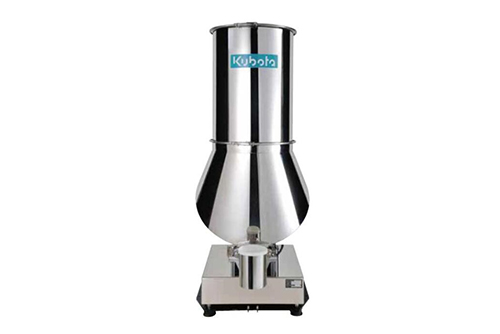
What Is a Loss-in-Weight Feeder?
A loss-in-weight feeder measures the decrease in hopper weight over time to accurately calculate and control material flow rates. Unlike volumetric feeders that estimate output based on screw speed or displacement, gravimetric feeders continuously monitor actual material consumption using load cells.
As material exits the hopper, the control system tracks the weight reduction and automatically adjusts the feeding mechanism to maintain the desired feed rate. This closed-loop control method provides significantly higher accuracy and consistency.
Because of their precision, loss-in-weight feeders are widely used in applications such as:
-
Lithium battery cathode and anode material production
-
Chemical additive dosing
-
Plastic compounding and masterbatch feeding
-
Pharmaceutical ingredient handling
-
Fine powder processing
-
Electronic material manufacturing
For additional technical information, visit:
Loss-in-Weight Feeder
1. Evaluate Material Characteristics
Material properties are often the most critical factor when selecting a feeding system.
Different materials exhibit different flow behaviors, requiring specialized feeder configurations. Key properties to evaluate include:
Bulk Density
Lightweight powders, dense granules, flakes, and fibrous materials each require different screw geometries and hopper designs.
For example:
-
Carbon powder may be prone to bridging
-
Plastic pellets typically flow freely
-
Fiberglass additives can intertwine
-
Battery powders often present flowability challenges
Flowability
Materials with poor flow characteristics may require:
-
Mechanical agitators
-
Twin-screw feeding systems
-
Anti-bridging devices
-
Vibratory assistance
Moisture Content
Materials containing moisture can adhere to hopper surfaces, potentially affecting feeding accuracy and consistency.
Abrasiveness
Highly abrasive materials such as silica, ceramic powders, and metallic particles may require wear-resistant screws, liners, and contact surfaces.
To ensure reliable long-term performance, Being (Shanghai) Intelligent Technology Co., Ltd. often conducts material evaluations and provides customized feeder designs based on specific application requirements.
2. Determine Required Feeding Accuracy
Different manufacturing processes demand different levels of feeding precision.
For general bulk material handling, an accuracy level of ±1% may be sufficient. However, industries such as:
-
Lithium battery materials
-
Specialty chemicals
-
Electronic powders
-
Additive manufacturing
often require precision levels of ±0.25% or better.
Desired accuracy directly impacts several system components, including:
-
Load cell selection
-
Control software algorithms
-
Screw configuration
-
Refill management strategies
-
Calibration procedures
Applications requiring higher precision generally benefit from advanced PLC control systems and intelligent compensation technologies.
By integrating equipment design with engineering expertise and automation solutions, Being (Shanghai) Intelligent Technology Co., Ltd. helps customers achieve stable feeding accuracy throughout fully automated production environments.
3. Consider Throughput Requirements and Flexibility
Feeding capacity is another critical factor during system selection.
A feeder designed for hundreds of kilograms per hour may not perform efficiently at very low feed rates. Therefore, manufacturers should clearly define:
-
Minimum feed rate
-
Typical operating capacity
-
Maximum production throughput
The system's turn-down ratio is equally important, especially in facilities that frequently change production conditions.
Wide operating ranges are particularly valuable for:
-
Research and development facilities
-
Pilot-scale production lines
-
Flexible manufacturing operations
-
New material development projects
A properly engineered feeder should maintain high accuracy throughout its operating range while allowing future production expansion.
4. Choose Between Single-Screw and Twin-Screw Feeders
Selecting the appropriate feeding mechanism depends on both material properties and process requirements.
Single-Screw Feeders
Suitable for:
-
Free-flowing powders
-
Granular materials
-
Plastic pellets
Advantages include:
-
Simple construction
-
Lower maintenance costs
-
Easy cleaning
-
Cost-effective operation
Twin-Screw Feeders
Ideal for:
-
Cohesive powders
-
Poor-flowing materials
-
Fibrous additives
-
Delicate material blends
Benefits include:
-
Improved feeding consistency
-
Better process control
-
Reduced pulsation
-
Enhanced conveying capability
For high-precision sectors such as advanced materials and electronic manufacturing, twin-screw systems are often preferred because of their superior stability.
5. Assess Automation and System Integration Capabilities
Modern manufacturing facilities increasingly require seamless integration between equipment and digital management systems.
A feeder should be capable of communicating with:
-
Conveying systems
-
Mixers and blenders
-
Extruders
-
Reactors
-
Packaging equipment
-
MES and ERP platforms
Integration becomes particularly important in smart manufacturing environments.
Being (Shanghai) Intelligent Technology Co., Ltd. combines equipment engineering, software integration, and process optimization to deliver comprehensive intelligent manufacturing solutions. Through project consulting and turnkey implementation services, customers can reduce integration complexity and improve overall project efficiency.
Digital connectivity also supports:
-
Energy consumption analysis
-
Production traceability
-
Waste reduction initiatives
-
Process optimization
6. Review Refill Design and Process Stability
Since loss-in-weight feeders require periodic hopper replenishment, refill design plays an important role in maintaining process consistency.
Key factors include:
-
Automatic refill control
-
Refill speed management
-
Material surge prevention
-
Dual-hopper configurations
Continuous manufacturing processes such as extrusion and battery electrode production require uninterrupted feeding performance.
A well-designed refill strategy minimizes disturbances and maintains stable material flow during replenishment cycles.
7. Prioritize Maintenance and Cleaning Convenience
Frequent product changeovers are common in industries such as chemicals, electronics, and battery materials.
Equipment designed for easy cleaning can significantly reduce downtime.
Useful features include:
-
Quick-disassembly screw assemblies
-
Removable hoppers
-
Accessible inspection ports
-
Stainless steel construction
-
Effective dust sealing
Maintenance accessibility is equally important. Routine procedures such as:
-
Load cell calibration
-
Screw inspection
-
Motor servicing
-
Sensor replacement
should be performed quickly and efficiently to support lean manufacturing objectives.
8. Account for Environmental and Safety Requirements
Industrial operating environments often present unique challenges that must be considered during equipment selection.
Important environmental factors include:
-
Ambient temperature
-
Humidity levels
-
Dust concentration
-
Explosion protection requirements
In powder processing and chemical industries, compliance with ATEX or equivalent safety standards may be necessary.
Similarly, lithium battery material production often requires enclosed feeding systems and advanced dust-control measures to ensure workplace safety and environmental compliance.
With extensive project experience in environmental protection and advanced material industries, Being (Shanghai) Intelligent Technology Co., Ltd. understands the importance of designing systems that meet both operational and regulatory requirements.
9. Support Sustainability and Energy Efficiency Goals
As manufacturers increasingly pursue ESG initiatives and carbon neutrality objectives, equipment efficiency has become a strategic consideration.
An optimized loss-in-weight feeding system can contribute to sustainability by:
-
Reducing material waste
-
Improving process consistency
-
Enhancing batch quality
-
Lowering overall energy consumption
Intelligent feeding technologies are becoming an important component of digital manufacturing ecosystems aimed at improving resource utilization and supporting long-term environmental goals.
Through customized integrated solutions, Being (Shanghai) Intelligent Technology Co., Ltd. helps customers improve operational efficiency while advancing sustainable production strategies.
Conclusion
Choosing the right loss-in-weight feeder requires a comprehensive evaluation of material properties, accuracy requirements, production capacity, automation compatibility, maintenance considerations, and sustainability objectives.
Rather than serving as a simple material handling device, a feeder functions as a critical process control component that directly impacts manufacturing performance.
For companies operating in the new materials, new energy, electronics, and environmental sectors, selecting a customized and digitally integrated feeding solution can significantly improve production stability, efficiency, and long-term competitiveness.
With strong capabilities in industrial electromechanical systems, engineering consulting, technology development, and intelligent manufacturing integration, Being (Shanghai) Intelligent Technology Co., Ltd. continues to provide scalable and practical solutions designed to meet the evolving demands of modern industry.
http://www.beyitech.com
Being (Shanghai) Intelligent Technology Co., Ltd. -
-
AuthorPosts

- You must be logged in to reply to this topic.