
- This topic is empty.
-
AuthorPosts
-
2026-04-07 at 5:04 pm #6934
If you’re choosing equipment for tight jobsites, it’s easy to lump “mini loader,” “compact loader,” and “skid steer tool carrier” into the same bucket. They all look like small machines that move material. But on real projects—renovations, utility work, plant maintenance, rail and municipal jobs—the best choice often comes down to one question:
Are you mainly moving materials, or do you also need a mobile platform to power tools?
That’s where a skid steer tool carrier platform stands out. Instead of being “a smaller loader,” it’s built to be a self-propelled hydraulic tool driving platform—the type of machine you can bring into narrow spaces and use for multiple operations without swapping to separate power sources.
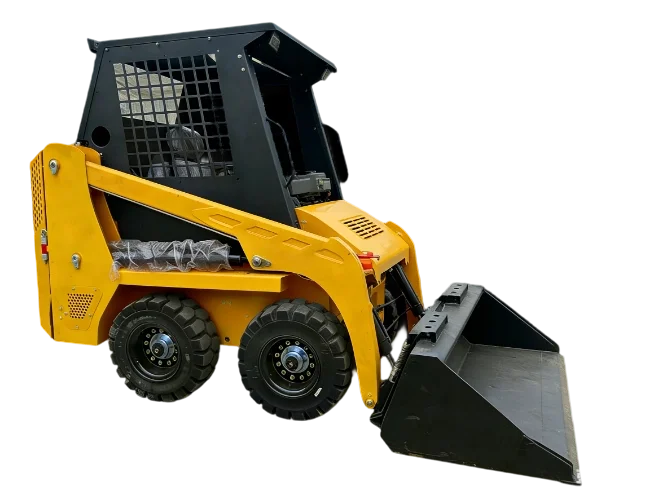
In this guide, we’ll compare the two approaches in a practical way, using jobsite realities rather than generic spec sheets. We’ll also reference Kartrup’s Multi-Functional Skid Steer Loader Platform as an example of a tool-driven platform designed for confined environments and diverse accessories.
1) Quick definitions (in plain jobsite language)
Skid steer tool carrier platform
Think of this as a compact machine that’s designed to do two things well:
-
Handle materials (loading, grabbing, lifting)
-
Drive hydraulic tools (breakers, hammer drills, pumps, cutting tools, and similar)
Kartrup’s platform is described as compatible with tool types such as trash pumps, chain saws, breakers, hammer drills, handheld jackhammers, and more—so the machine becomes the “power unit + mobility” for multiple tasks.
Mini loader
A mini loader is typically chosen for:
-
material movement and light loading
-
simple attachment use
-
small-site transport where compact size is the main benefit
Many mini loaders can run attachments, but not every mini loader is built around tool-driving performance as the primary value.
2) The best machine depends on what slows your crew down
Before you compare machines, compare your workflow.
If your bottleneck is moving materials in tight access
A mini loader can be a strong fit, especially when your daily work is:
-
moving debris and supplies
-
shuttling pallets or aggregates
-
short cycle loading tasks
If your bottleneck is switching between tasks and tools
A tool carrier platform often wins when your work day looks like:
-
move material → break concrete → cut/drill → pump water → lift/position
-
multiple “small jobs” spread across a site
-
limited space where bringing multiple machines isn’t realistic
This is why the “platform” concept matters. Kartrup describes its compact skid steer loaders as a miniaturized body for narrow spaces, paired with flexible accessory compatibility and hydraulic tool driving. That combination targets task switching, not only material handling.
3) Confined spaces: it’s not only width, it’s the whole operating envelope
People usually measure doors and passages, then call it done. But confined operations create more constraints:
-
turning radius and repositioning space
-
working near finished surfaces or installed equipment
-
short staging zones that force frequent moves
-
operating around other trades
A compact platform designed for confined operation will be used more often because it can “live” on site and still reach the work. Kartrup’s design emphasis is exactly that: a mini body intended for efficient operation in narrow and confined spaces.
If your site is tight but your task is mostly transport, a mini loader may be enough. If your site is tight and your task involves powered tools and precise positioning, a tool carrier platform is usually more practical.
4) Attachments: the real comparison is “what do you need to run?”
Attachment lists can make any machine look versatile. The key is: Which attachments are critical to your jobs, and how often will you use them?
Tool carrier platform advantage: tool-driven applications
Kartrup highlights compatibility with hydraulic-driven tools such as:
-
trash pumps (drainage, wet areas, emergency water removal)
-
breakers / handheld jackhammers (demolition, surface removal)
-
hammer drills (anchoring, installation work)
-
chain saws (cutting tasks)
-
other hydraulic tools for construction and industrial needs
If these are frequent tasks for your crew, a platform that’s built to drive tools can reduce:
-
time spent setting up separate power equipment
-
manual labor in confined spaces
-
downtime while waiting for a dedicated machine
Mini loader advantage: simpler daily handling
If your jobs are primarily:
-
moving materials
-
light grading
-
general loading and carrying
-
basic attachment work at moderate intensity
Then a mini loader may be the simpler, cleaner choice.
5) The “all-in-one” factor: how many machines are you trying to avoid?
A compact tool carrier platform makes sense when you’re trying to reduce the number of separate units you bring to a job.
Common example:
-
Without a platform: mini loader for moving + separate tools for demolition + pump + drilling setup
-
With a tool-driven platform: one mobile unit that can handle and power multiple operations
Kartrup’s positioning is clear here: expand application scenarios and transform skid steer loaders into an all-in-one multi-functional work platform for industrial and construction operations.
That doesn’t mean you never need other equipment. It means your “daily task machine” becomes more capable.
6) A practical decision checklist (use this before you buy)
Here’s a quick way to decide without overthinking:
Choose a skid steer tool carrier platform if:
-
You work in confined spaces and still need powered tool operations
-
You do frequent demolition / drilling / cutting / pumping tasks
-
Your jobs require quick switching between handling and tool work
-
You want one compact machine to cover multiple daily tasks
Choose a mini loader if:
-
Your work is mostly material movement and basic handling
-
Attachments are occasional, not core to daily operations
-
You prioritize simplicity and don’t need tool-driving versatility
If you’re still unsure, list your top 10 recurring tasks and mark which ones require powered tools. If powered tools show up repeatedly, a tool carrier platform is usually the better long-term fit.
7) Real job scenarios: what fits better?
Scenario A: renovation / interior project with narrow access
-
Debris removal, small lifting, occasional concrete breaking
A tool carrier platform often fits better because demolition tasks are frequent and access is tight.
Scenario B: landscaping / site cleanup with repeated transport
-
frequent loading and carrying, simple attachments
A mini loader can be sufficient and straightforward.
Scenario C: utilities / municipal work
-
cutting, drilling, pumping, handling in unpredictable conditions
Tool carrier platforms shine because tool compatibility reduces setup and crew idle time.
Scenario D: industrial maintenance
-
mixed tasks, short work windows, tight plant pathways
A compact tool-driving platform typically gets used more days per month.
8) Where Kartrup’s platform fits in this decision
Kartrup’s Multi-Functional Skid Steer Loader Platform is described as:
-
compact/mini body for narrow and confined spaces
-
flexible accessory compatibility
-
capable of loading, concrete crushing, grabbing/handling, lifting
-
a self-propelled hydraulic tool driving platform compatible with multiple tool types
That combination is the “tool carrier platform” value proposition in plain terms: mobility + tool driving + multi-task coverage, especially where space is limited and task switching is constant.
Closing: pick the machine that matches your daily work, not your occasional job
Most equipment regrets come from buying for a once-a-month task. The smarter approach is to choose the machine that fits your daily workflow.
-
If your day is mostly moving material: mini loader
-
If your day is moving material plus running tools in tight spaces: skid steer tool carrier platform
If you need a compact platform built around multi-function capability and hydraulic tool driving
http://www.kartrupp.com
Kartrup -
-
AuthorPosts

- You must be logged in to reply to this topic.