
- This topic is empty.
-
AuthorPosts
-
2026-03-13 at 4:08 pm #6641
In high temperature ducting and industrial ventilation systems, structural movement, thermal expansion, vibration, and pressure fluctuations are unavoidable. Without proper compensation, these dynamic forces lead to cracking, leakage, excessive noise, and premature failure of connected equipment. Fabric expansion joint cloth plays a critical role in absorbing movement while maintaining system integrity, especially in environments involving boilers, fans, flue gas pipelines, and long-distance exhaust systems. In this blog post, PINYI, as high performance non-metallic expansion joint manufacturer, will share the advantages of fabric expansion joint cloth for high temperature ducting and industrial ventilation systems.
Why Fabric Expansion Joint Cloth Is Essential in Industrial Ducting
Rigid duct systems are inherently vulnerable to thermal expansion. As temperature fluctuates from ambient levels to several hundred degrees Celsius, steel ducting expands and contracts. If not compensated, this movement transfers stress to flanges, weld seams, and support structures.
Fabric expansion joint cloth offers controlled flexibility. Compared to metal compensators, it provides:
-
Lower weight
-
Simplified installation
-
Faster production cycles
-
Easier replacement
-
Reduced system noise
-
Lower overall cost
In industrial ventilation systems operating between -40°C and 800°C, non-metallic multi-layer joints outperform traditional metal components in vibration isolation and acoustic reduction.
Multi-Layer Structure of High Temperature Fabric Expansion Joints
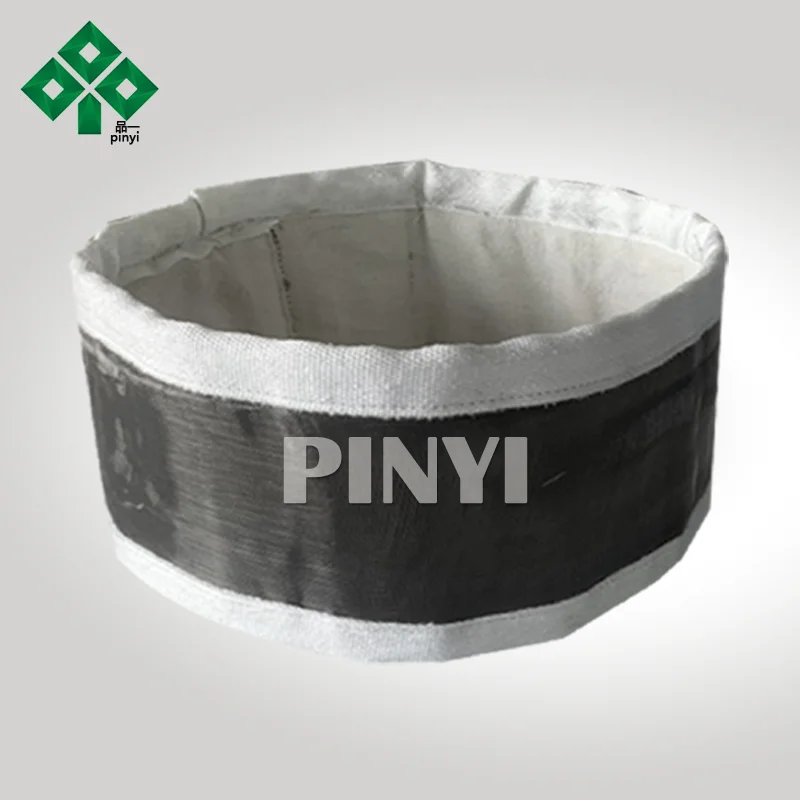
A high-performance fabric expansion joint is not a single sheet of material. It is a carefully engineered composite system. Typical multi-layer structures include:
-
Outer Stainless Steel Mesh (304 Grade) for mechanical reinforcement
-
Elastomer Coating Layer (Silicone, FPM, or EPDM) for sealing and flexibility
-
PTFE Layer for chemical resistance and anti-corrosion performance
-
Fiberglass or Ceramic Fiber Fabric for thermal resistance
-
Insulation Cotton Core for temperature stability
-
Inner Fiberglass/Ceramic Barrier for direct gas contact protection
This layered design allows the fabric expansion joint material to simultaneously resist high temperatures, acidic gases, mechanical stress, and wind pressure.
When evaluating a product, reviewing the full fabric expansion joint specification is essential. Specifications typically define width range (0.2–1.2m), temperature resistance (-40°C to 800°C), reinforcement structure, and coating options.
Performance Characteristics in High Temperature Ventilation Systems
High Temperature Resistance in Duct Expansion Areas
Industrial exhaust ducts in power plants, steel mills, cement factories, and chemical facilities operate under extreme thermal conditions. Multi-layer fabric expansion joints maintain structural stability even during rapid temperature changes. The insulation layer prevents heat transfer to external surfaces, improving safety and reducing energy loss.
Wind Pressure and Mechanical Load Resistance
Ventilation systems often operate under fluctuating internal pressure. Fabric joints must withstand positive and negative pressure cycles without deformation. Stainless steel mesh reinforcement ensures dimensional stability, while elastomer layers maintain airtight performance.
Chemical and Acid Resistance in Flue Gas Systems
In desulfurization systems or chemical processing exhaust lines, gases contain corrosive compounds. A PTFE layer enhances resistance against acids and alkalis, significantly extending service life.
Anti-Aging and Wear Resistance
Long-term exposure to UV radiation, thermal cycling, and vibration can degrade inferior materials. High-quality fabric expansion joint cloth incorporates aging-resistant coatings to maintain elasticity and structural integrity over time.
Fabric Expansion Joint Material Selection Strategy
Selecting appropriate fabric expansion joint material requires understanding operating conditions:
-
Maximum and minimum temperature
-
Gas composition
-
Pressure level
-
Required movement range
-
Installation space constraints
-
Maintenance accessibility
For example, ceramic fiber layers are suitable for ultra-high temperature exposure, while silicone-coated fiberglass provides flexibility and moisture resistance in moderate heat conditions.
Experienced procurement professionals typically collaborate directly with fabric expansion joint manufacturers to customize layer combinations. This approach ensures compatibility with system design while preventing overspecification that increases costs unnecessarily.
Integration into Industrial Ventilation and Ducting Systems
Boiler and Furnace Exhaust Systems
High temperature flue gas movement causes longitudinal and lateral duct displacement. Fabric joints absorb this movement while isolating vibration generated by induced draft fans.
Long-Distance Pipeline Systems
In extended duct networks, expansion accumulates over distance. Installing fabric expansion joints at strategic intervals prevents stress concentration and reduces the need for complex pipe routing.
Fan and Blower Connections
Mechanical vibration from rotating equipment can propagate through rigid ducts. Flexible non-metallic joints isolate vibration, protecting downstream equipment and reducing structural noise.
Industrial Dust Collection and Air Pollution Control
In systems where particulate matter and corrosive gases coexist, multi-layer expansion joints maintain sealing performance while resisting abrasion.
Comparing Non-Metallic Fabric Joints and Metal Compensators
Metal compensators are often selected for high-pressure applications, but in ventilation systems, they present limitations:
-
Higher cost
-
Increased weight
-
More complex installation
-
Reduced acoustic insulation
-
Greater susceptibility to fatigue cracking
Fabric expansion joint cloth provides better vibration damping and simpler maintenance. When replacement is required, non-metallic joints can be installed without dismantling large duct sections, minimizing downtime.
Importance of Accurate Fabric Expansion Joint Specification
Incorrect specification is a common cause of premature failure. Engineers must define:
-
Axial movement capacity
-
Lateral displacement tolerance
-
Angular deflection range
-
Pressure rating
-
Temperature class
-
Chemical compatibility
A detailed fabric expansion joint specification ensures that the final product aligns with system requirements. Oversimplified procurement based solely on price often leads to mismatched performance characteristics.
Working with experienced fabric expansion joint manufacturers allows project engineers to validate structural design before installation.
Quality Control and Manufacturing Considerations
High-performance fabric joints require precise fabrication techniques:
-
Accurate cutting of multi-layer materials
-
Controlled lamination process
-
Reinforcement edge stitching or welding
-
Dimensional inspection
-
Pressure testing
ISO 9001-certified production facilities typically implement systematic quality management protocols to ensure consistent product performance. Material traceability and incoming inspection procedures further enhance reliability.
Manufacturers with specialized experience in fiberglass and ceramic fiber products often deliver more consistent structural quality due to deep material expertise.
Installation Guidelines for High Temperature Duct Systems
Proper installation directly affects lifespan. Recommended practices include:
-
Avoid twisting or overstretching the joint
-
Maintain neutral installation position
-
Ensure uniform bolt tightening
-
Prevent sharp edge contact with fabric surface
-
Allow sufficient clearance for movement
Expansion joints should not carry structural loads; duct supports must absorb weight independently.
Maintenance and Lifecycle Management
Although fabric expansion joints require less maintenance than metal compensators, periodic inspection remains necessary:
-
Check for outer layer cracking
-
Inspect flange sealing areas
-
Monitor insulation integrity
-
Evaluate vibration levels
Early detection of material fatigue prevents unexpected shutdowns.
Future Trends in High Temperature Fabric Expansion Solutions
Industrial ventilation systems are evolving toward:
-
Higher efficiency energy recovery
-
Stricter emission standards
-
Increased operating temperatures
-
Compact equipment design
These trends require continuous innovation in fabric expansion joint material technology. Development focuses on lighter composite structures, improved PTFE formulations, and enhanced fire-retardant performance.
Collaboration between engineering teams and fabric expansion joint manufacturers will become increasingly important to meet complex industrial requirements.
Conclusion
Fabric expansion joint cloth is a fundamental component in high temperature ducting and industrial ventilation systems. Its multi-layer structure enables effective thermal compensation, vibration isolation, corrosion resistance, and acoustic control. Compared with metal compensators, non-metallic fabric joints offer cost efficiency, installation flexibility, and simplified maintenance.
Successful application depends on accurate specification, appropriate material selection, and professional manufacturing standards. By understanding performance parameters and structural design principles, engineers and procurement professionals can ensure long-term reliability in demanding industrial environments.
In modern ventilation engineering, the strategic use of high-quality fabric expansion joint cloth is not merely a component choice—it is a system-level performance decision that directly impacts durability, safety, and operational efficiency.
-
-
AuthorPosts

- You must be logged in to reply to this topic.