
- This topic is empty.
-
AuthorPosts
-
2026-01-08 at 9:39 am #5892
In hazardous chemical environments, maintenance is not a routine task—it is a core safety mechanism embedded in daily operations. ATEX-certified chemical hydraulic systems are designed for flammable, explosive, corrosive, high-temperature, and high-pressure conditions, where even minor deviations can escalate into serious safety incidents. With extensive experience in hydraulic transmission and control technology, Huoheshi Hydraulic provides a structured, engineering-driven approach to maintaining ATEX-compliant chemical hydraulic systems while safeguarding safety integrity, regulatory compliance, and long-term operational stability.
Maintenance as a Continuation of ATEX Compliance
ATEX certification is not a one-time achievement secured at commissioning. It represents a continuous operational state that must be preserved through disciplined maintenance. According to data released by European process safety authorities, more than 60% of hazardous-area equipment incidents occur during operation and maintenance, rather than during installation.
Huoheshi Hydraulic treats maintenance as a functional extension of system design. Every inspection, replacement, and adjustment is aligned with explosion-proof principles, ensuring that ATEX certification remains valid throughout the system lifecycle.
Corrosion Control as the First Line of Defense
Chemical hydraulic systems frequently operate in aggressive environments containing acids, alkalis, solvents, or mixed chemical vapors. Corrosion directly threatens pressure boundaries, sealing interfaces, and ignition prevention mechanisms.
Huoheshi systems are engineered with 316L stainless steel or Hastelloy pump bodies and valve blocks, paired with FKM or PTFE seals. Effective maintenance focuses on:
-
Regular inspection of anodized or epoxy-coated surfaces
-
Detection of micro-pitting or coating degradation at joints and flanges
-
Verification of seal material compatibility with process media
Industry research from corrosion engineering associations shows that proactive surface integrity management can reduce unplanned leakage events by over 40% in chemical hydraulic systems.
Explosion-Proof Component Integrity Management
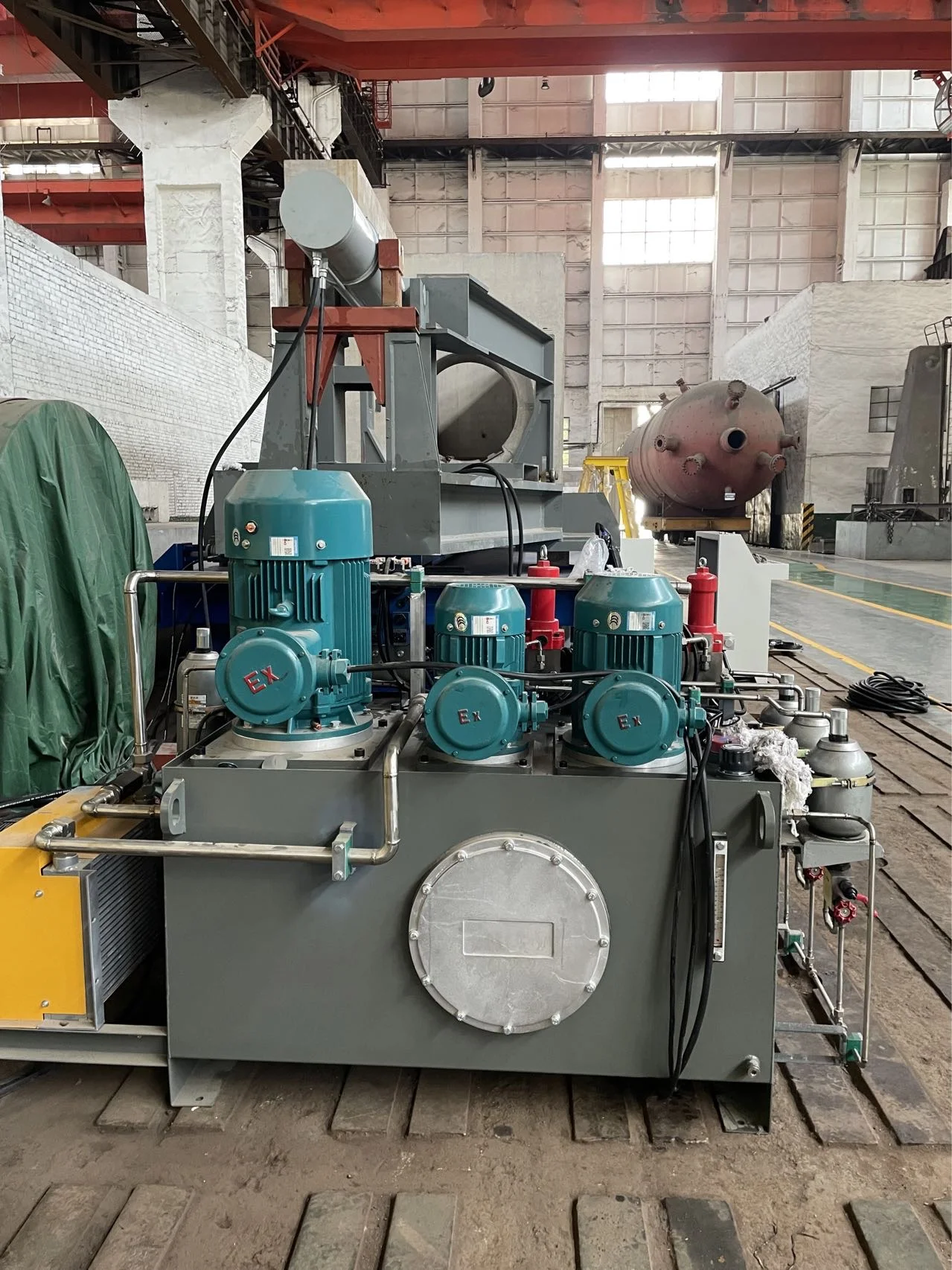
Explosion-proof safety relies on the continuous integrity of motors, electrical components, and flameproof enclosures. Huoheshi Hydraulic systems comply with Ex dⅡBT4 or Ex dⅠICT6 standards, preventing internal ignition from propagating into hazardous atmospheres.
Maintenance priorities include:
-
Torque and sealing checks on flameproof enclosure fasteners
-
Inspection of flame paths for corrosion or mechanical damage
-
Electrical insulation resistance testing under actual operating temperatures
For systems equipped with an optional nitrogen inerting system, maintenance must also verify inert gas pressure stability, valve response, and purity levels. API-aligned industry data indicates that properly maintained inerting systems can reduce explosion risk by up to 90% in flammable hydraulic environments.
Managing High-Temperature and Thermal Stress
Chemical hydraulic systems often operate across a wide temperature range, from -40°C to 150°C, particularly in reaction control and gas processing applications. Thermal cycling accelerates oil degradation, seal aging, and material fatigue if not actively managed.
Huoheshi Hydraulic recommends:
-
Routine hydraulic oil analysis for viscosity, oxidation, and contamination
-
Verification of synthetic ester or high-temperature oil performance
-
Inspection and cleaning of integrated air or water cooling systems
Studies from hydraulic fluid manufacturers confirm that systematic oil condition monitoring can extend component service life by 30–50% under sustained high-temperature operation.
Intelligent Monitoring for Predictive Safety Maintenance
Modern ATEX-certified chemical hydraulic systems are increasingly sensor-driven. Huoheshi Hydraulic integrates pressure, temperature, and liquid level sensors with PLC control and optional IoT monitoring, enabling predictive maintenance strategies.
Best practices include:
-
Defining alarm thresholds aligned with ATEX and SIL safety levels
-
Trend analysis of pressure and temperature data
-
Periodic testing of leak alarms and automatic shutdown logic
Process industry benchmarks show that predictive monitoring can reduce unplanned downtime by up to 45% while significantly improving incident response speed.
Seal Management and Leak Prevention
In chemical environments, even minor leaks can pose serious safety and environmental risks. Seal integrity is therefore a critical maintenance focus.
Huoheshi Hydraulic systems use FKM and PTFE sealing solutions selected for chemical and thermal resistance. Maintenance strategies should include:
-
Time-based seal replacement rather than visual-only inspection
-
Compatibility verification when hydraulic oils or process media change
-
Inspection of seal grooves and mating surfaces to prevent extrusion
SIL-related reliability studies indicate that seal-related issues account for approximately 35% of safety incidents in chemical hydraulic systems.
Application-Specific Maintenance Priorities
Different chemical applications impose unique stress profiles:
-
Reactor agitation systems require close monitoring of hydraulic motor load balance and corrosion resistance
-
Pipeline valve control systems demand precise proportional valve calibration and contamination control
-
Compressor auxiliary systems require vibration analysis and enclosure integrity checks
-
Hazardous chemical transfer pumps must maintain spark-free operation and API 618 compliance
Huoheshi Hydraulic’s broad project experience allows maintenance programs to be tailored to these application-specific risks rather than relying on generic schedules.
Lean Six Sigma and 4M1E in Maintenance Execution
Huoheshi Hydraulic applies Lean Six Sigma and 4M1E (Man, Machine, Material, Method, Environment) principles across maintenance planning and execution. This approach minimizes variability and human error in safety-critical operations.
Key practices include:
-
Standardized maintenance procedures and checklists
-
Controlled spare parts sourcing to ensure material consistency
-
Environmental condition assessments during maintenance activities
Industry quality studies show that maintenance programs aligned with Lean Six Sigma can reduce recurring defects by over 30% in complex hydraulic systems.
Documentation and Compliance Continuity
Ongoing ATEX compliance requires traceable maintenance documentation. Inspection records, replacement logs, alarm tests, and parameter adjustments must be systematically recorded to support audits and regulatory reviews.
Huoheshi Hydraulic supports customers with documentation frameworks aligned with ATEX directives, API standards, and SIL requirements, ensuring compliance continuity over the system’s entire service life.
Conclusion: Maintenance as a Strategic Safety Asset
Maintaining ATEX-certified chemical hydraulic systems is not merely about preventing failures—it is about preserving safety margins in environments where consequences are severe. A disciplined maintenance strategy protects personnel, equipment, and production continuity while extending system service life and maintaining regulatory compliance.
Huoheshi Hydraulic combines explosion-proof system design, corrosion-resistant materials, intelligent monitoring, and structured quality management to support safe and reliable operation in hazardous chemical applications. By aligning maintenance practices with original system engineering intent, operators can transform maintenance from a reactive cost center into a proactive safety and reliability asset.
For facilities operating in flammable, explosive, or corrosive environments, partnering with hydraulic experts who understand both ATEX design and real-world maintenance challenges is essential to achieving long-term operational safety.
FAQ
Q1: How often should ATEX-certified chemical hydraulic systems be maintained?
Maintenance frequency should be risk-based, combining continuous monitoring with scheduled inspections based on operating conditions and duty cycles.Q2: Can intelligent monitoring replace physical inspections?
No. Monitoring enhances predictive capability but cannot replace physical verification of explosion-proof and material integrity.Q3: Why is seal management so critical in chemical hydraulics?
Seal failure is a leading cause of leaks, which present serious ignition and exposure risks in hazardous environments.Q4: How does Lean Six Sigma improve maintenance safety?
It standardizes processes, reduces variability, and minimizes human error in safety-critical operations.http://www.huoheshi-hydro.com
Wuxi Huoheshi Hydraulic Technology Co., Ltd. -
-
AuthorPosts

- You must be logged in to reply to this topic.