
- This topic is empty.
-
AuthorPosts
-
2025-12-11 at 10:37 am #5546
Industrial sewage gate hydraulic systems play a critical role in managing the flow and control of municipal and industrial wastewater. In harsh environments where corrosive media, high pressures, and fluctuating operational demands are prevalent, achieving precise flow control with ±1 mm accuracy is essential for operational efficiency, safety, and environmental compliance. By leveraging advanced hydraulic technologies, these systems ensure consistent and reliable performance even under extreme conditions.
1. Core Hydraulic Power for Stable Operation
At the heart of industrial sewage gate systems lies a high-pressure hydraulic pump system. These pumps provide efficient, stable power to operate gates under heavy loads, delivering opening and closing forces customizable to the application. The power stability ensures that even large gates, which can weigh several tons, operate smoothly without hesitation, enabling accurate control of wastewater flow.
Advanced pump designs incorporate low-noise features to comply with industrial environmental standards, reducing the acoustic impact of large-scale operations while maintaining high efficiency. This combination of power and stability is a foundational element in achieving precise ±1 mm flow control.
2. Corrosion-Resistant Materials for Harsh Environments
Sewage and industrial wastewater often contain corrosive substances such as acids, alkalis, and hydrogen sulfide. To maintain long-term reliability, hydraulic systems employ nickel-plated stainless steel cylinders, pipes, and components. High-performance sealing technologies, including fluororubber seals, prevent leaks and corrosion-related failures.
These corrosion-resistant designs ensure that hydraulic gates maintain accuracy and operational reliability over years of exposure to harsh chemical environments, avoiding the degradation that can compromise flow control precision.
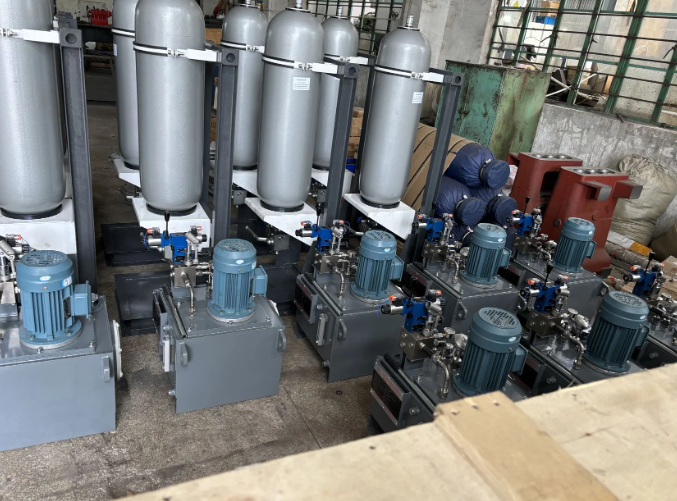
3. Electro-Hydraulic Control for Precision Flow
Achieving ±1 mm flow control requires sophisticated control mechanisms. Modern industrial sewage gate systems are equipped with electro-hydraulic servo or proportional valves that regulate gate movement with high precision. These systems can be fully integrated into PLC or SCADA automation platforms, enabling real-time monitoring and remote control.
The integration of precise sensors, feedback loops, and programmable control allows operators to manage complex flow scenarios with minimal manual intervention. Optional manual emergency operation ensures continued functionality during power outages, adding an additional layer of operational security.
4. Intelligent Protection and Safety Measures
Industrial environments demand not only precision but also reliability and safety. Hydraulic sewage gate systems incorporate pressure sensors and overload protection valves to monitor system pressure and prevent damage from jamming or overloading.
Explosion-proof options are available for environments with flammable gases, ensuring that hydraulic systems operate safely even under hazardous conditions. These intelligent protection mechanisms extend system lifespan while guaranteeing accurate and stable gate operation.
5. Application Scenarios
Industrial sewage gate hydraulic systems are versatile and widely used across multiple applications:
-
Municipal Sewage Network Interceptor Gates: Regulating flow and preventing overflow.
-
Sewage Treatment Plant Inlet and Outlet Control: Maintaining precise influent and effluent levels.
-
Industrial Wastewater Treatment Systems: Handling corrosive and variable flows.
-
Flood Control and Drainage Facilities: Providing accurate flow management to prevent flooding and structural damage.
In all these scenarios, the combination of high-pressure hydraulic power, corrosion-resistant materials, and precise electro-hydraulic control ensures reliable ±1 mm flow accuracy.
6. Design Considerations for Harsh Environments
To maintain precise flow control in challenging environments, several design considerations are essential:
-
Material Selection: Use of corrosion-resistant stainless steel and advanced sealing technologies.
-
Hydraulic Circuit Optimization: Proper sizing of pumps, valves, and cylinders to match gate load requirements.
-
Automation Integration: PLC or SCADA systems for real-time monitoring and adaptive control.
-
Maintenance Accessibility: Design components for easy inspection and replacement to minimize downtime.
-
Environmental Adaptability: Systems must withstand temperature fluctuations, high humidity, and exposure to chemical substances.
These design principles ensure that industrial hydraulic gates remain accurate, reliable, and safe throughout their operational life.
7. Maintenance and Operational Best Practices
Regular maintenance is critical to sustain precision and prevent failures:
-
Routine Inspection: Check cylinder seals, pipes, and valves for wear or leaks.
-
Calibration: Periodic calibration of electro-hydraulic valves ensures sustained ±1 mm accuracy.
-
Cleaning: Remove sludge, debris, or sediment that can interfere with gate movement.
-
Lubrication: Proper lubrication of moving parts prevents friction-induced inaccuracies.
-
System Monitoring: Utilize integrated sensors for continuous pressure and flow monitoring.
Following these practices maximizes system lifespan, maintains flow accuracy, and reduces the likelihood of operational interruptions.
FAQ
Q1: How do hydraulic sewage gates achieve ±1 mm flow control?
A: Through electro-hydraulic servo or proportional valves, high-pressure pumps, and precise feedback sensors integrated with automation systems.Q2: Can these systems handle corrosive wastewater?
A: Yes, corrosion-resistant materials like nickel-plated stainless steel and fluororubber seals ensure reliability in harsh chemical environments.Q3: Is remote control possible?
A: Absolutely. Systems can be integrated with PLC or SCADA platforms for real-time monitoring and remote operation.Q4: What happens during power outages?
A: Optional manual emergency operation allows safe manual opening and closing of gates.Q5: Are explosion-proof options available?
A: Yes, hydraulic systems can be customized with explosion-proof components for flammable or hazardous environments.
Conclusion
Industrial sewage gate hydraulic systems achieve precise ±1 mm flow control through a combination of high-pressure hydraulic power, corrosion-resistant materials, electro-hydraulic control, and intelligent protection mechanisms. These systems are designed to withstand harsh environments, including corrosive wastewater, variable flow conditions, and high-pressure operations. With seamless integration into automation platforms like PLC and SCADA, they provide both operational accuracy and reliability.
For reliable and high-performance solutions in industrial wastewater management, Huoheshi Hydraulic offers a complete range of hydraulic systems engineered for durability, precision, and efficiency. Explore more about advanced sewage gate solutions at Huoheshi Hydraulic Sewage Gate Systems to optimize flow control in demanding industrial applications.
http://www.huoheshi-hydro.com
Wuxi Huoheshi Hydraulic Technology Co., Ltd. -
-
AuthorPosts

- You must be logged in to reply to this topic.